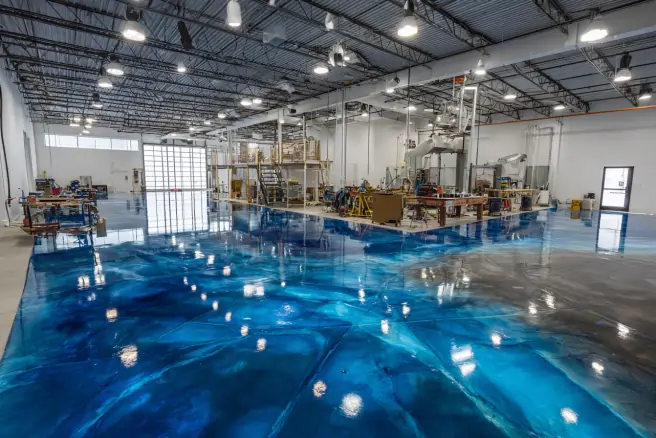
Epoxy floor system for garage floor concrete with epoxy coating in a garage epoxy garage flooring stock pictures, royalty-free photos & images

It offers a seamless, durable, and attractive surface that can transform any garage into a more practical and visually pleasing space. Below are the top benefits epoxy flooring provides in enhancing both the functionality and appearance of your garage.

Durability and Longevity

  • Cracking:Unlike bare concrete, epoxy resists cracking from pressure or temperature fluctuations.
  • Abrasion:The floor remains resistant to scuffs or scratches caused by tools or fallen objects.
  • Stains:Oil spills, grease, and other substances can be wiped away easily without leaving permanent marks.

Enhanced Aesthetic Appeal

  • Glossy Finishes:The reflective surface enhances lighting within the space, creating a bright environment.
  • Colored Pigments:Choose from endless colors to match your garage’s style.
  • Metallic Effects:Add depth with metallic hues for a modern or industrial aesthetic.
  • Decorative Flakes:Incorporate flakes for texture while mimicking terrazzo-like patterns.

This versatility allows homeowners to design their garages not only as functional spaces but also as visually striking extensions of their homes.

Improved Cleanliness and Maintenance Ease

  1. Oil stains can be cleaned using mild detergents without special treatments.
  2. Spills do not seep into the surface; wiping them off prevents further damage.

The low-maintenance nature of epoxy flooring makes it an excellent choice for busy homeowners who want practical solutions.

Resistance to Environmental Hazards

Garages are often exposed to harsh conditions such as extreme temperatures or chemical spills from automotive fluids.

Hazard Resistance Benefit
Chemicals Protects against motor oil, gasoline, antifreeze
Moisture Water-resistant properties prevent warping
UV Radiation Options with UV-stable coatings prevent fading

This resilience ensures that the floor remains intact even under adverse conditions.

Cost-Efficiency Over Time

While epoxy flooring may have a higher upfront installation cost compared to other materials like plain concrete paint, it offers significant long-term savings through reduced maintenance expenses and fewer repairs needed over decades of use.

Epoxy floors represent an ideal investment for anyone looking to enhance their garage’s usability while maintaining an aesthetically pleasing appearance throughout its lifespan.

Clearwater Epoxy Garage Flooring for Custom Designs and Concrete Flaw Coverage

Its versatility allows for customized designs while effectively addressing imperfections in the underlying concrete. Below, we’ll explore how epoxy can elevate the aesthetic value of your space while covering flaws.

Transforming Concrete with Custom Designs

Whether you’re looking to revamp your garage, workshop, or commercial area, epoxy offers endless design possibilities.

  • Color Options: Choose from solid colors for a minimalist look or multiple shades to create unique patterns.
  • Metallic Finishes: Metallic pigments can be added for a high-gloss effect that mimics marble or flowing liquid designs.
  • Decorative Chips and Flakes: These can be embedded into the epoxy layer to mimic terrazzo flooring or granite-like surfaces.
  • Logos and Graphics: Ideal for commercial spaces or home garages, custom logos or images can be embedded under the clear top layer of the floor.

By offering these design options, epoxy flooring becomes more than just functional; it becomes an integral part of your interior decor.

Covering Flaws in Concrete

Concrete floors are prone to imperfections such as cracks, stains, dents, and uneven surfaces over time. Epoxy acts as a correctional overlay by effectively masking these flaws while creating a seamless finish.

How Epoxy Addresses Common Concrete Issues:

Concrete Issue Solution Provided by Epoxy Flooring
Cracks and Chips The self-leveling property of epoxy fills cracks and provides a smooth finish.
Stains The opaque nature of epoxy coatings hides unsightly stains or discoloration.
Uneven Surfaces Multiple layers of epoxy even out pits and irregularities in the floor surface.
Porous Material Epoxy seals porous concrete to prevent further damage caused by water absorption.

By applying an adequate prep process before installation—such as cleaning, grinding, or patching—epoxy ensures that these flaws will not only be covered but permanently resolved.

Benefits of Customization

Customizing your epoxy floor goes beyond aesthetics; it also improves functionality: – Personalized Style: Match your flooring with surrounding decor for a cohesive look.Improved Lighting: High-gloss finishes reflect light better than untreated surfaces.Zoning Capabilities: Use different colors or patterns to define areas (e. g. , parking zones in garages or workstations in workshops).

The combination of customization options and flaw-covering capabilities makes epoxy an outstanding solution for anyone seeking both style and practicality from their flooring solution.

Boosting Durability and Resistance with Impact, Shock, and Chemical Protection in Epoxy Floors

Epoxy flooring is a practical and robust solution for both residential and commercial spaces. One of its most celebrated features is the exceptional durability it offers, especially when exposed to impact, shock, and harsh chemicals. This makes it an ideal choice for areas that face heavy foot traffic, equipment use, or spill-prone environments. Below, we’ll explore how epoxy flooring provides superior protection while maintaining long-term performance.

Impact Resistance: Perfect for High-Traffic Areas

Epoxy floors are designed to withstand significant wear and tear.

  • Heavy equipment: Common in garages or industrial spaces where tools and machinery are regularly handled.
  • Foot traffic: Ideal for spaces such as warehouses or retail areas with constant movement.
  • Dropped items: Epoxy absorbs the shock from dropped objects without cracking or denting.

This resistance not only ensures longevity but also reduces maintenance costs over time.

Shock Absorption: Handling Extreme Conditions

Unlike traditional concrete floors that can chip or crack under stress, epoxy flooring offers excellent shock absorption.

  • Automotive garages where vehicles may be lifted or moved frequently.
  • Manufacturing facilities where heavy machinery operates continuously.
  • Gym floors that endure constant pressure from weights and equipment.

Thanks to its resilience to sudden force, epoxy flooring outperforms alternatives like bare concrete or traditional tiles.

Chemical Resistance: A Barrier Against Corrosion

Epoxy surfaces form a hardened layer that resists damage from various chemicals. This is vital for environments where chemical spills are a concern.

Type of Chemical Impact on Epoxy Flooring
Acids No visible corrosion
Oil & Grease Repels stains
Solvents Maintains surface integrity

With epoxy flooring, you don’t have to worry about permanent stains or material degradation caused by accidental chemical exposure.

Long-Term Cost Efficiency Through Enhanced Durability

Although the upfront investment in epoxy flooring might be higher than other options like vinyl or tile, its durability significantly reduces repair and replacement expenses over time.

  • Minimal maintenance requirements.
  • Longevity under high-stress conditions.
  • Resistant surface that eliminates frequent repairs.

Ideal Applications for Durable Epoxy Floors

  1. Industrial facilities– Factories benefit from its ability to endure intense operations without deteriorating.
  2. Garages– Offers an ideal solution for car enthusiasts needing surfaces resistant to oil spills or tool drops.
  3. Healthcare facilities– Its resistance against harsh cleaning agents ensures hygiene standards are met without damaging the floor.

By investing in epoxy flooring tailored to your specific needs—whether industrial-strength coatings or decorative finishes—you ensure your space remains functional while withstanding tough conditions over time.

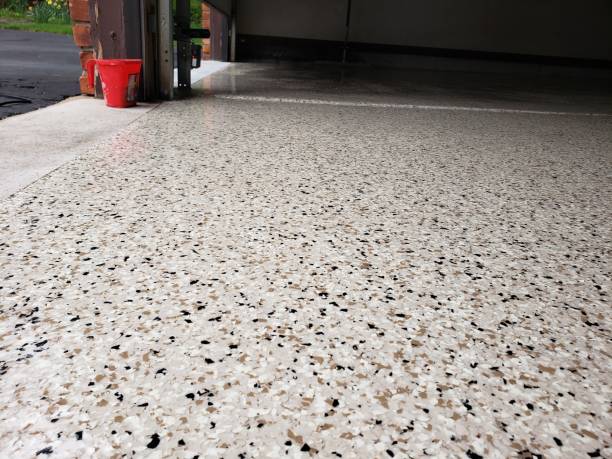
Epoxy Garage Floor A freshly coated epoxy garage floor. epoxy garage flooring stock pictures, royalty-free photos & images

Epoxy Flooring Company Clearwater FL: Enhanced Safety Features with Anti-Slip Surfaces and Increased Visibility

Epoxy flooring is a versatile and durable solution that greatly enhances safety in both residential and commercial settings. Designed with features aimed at reducing accidents and improving visibility, epoxy flooring offers an ideal choice for areas where safety is a top priority. Below, we explore the key safety benefits of epoxy flooring.

Anti-Slip Properties

This makes it particularly beneficial for spaces such as garages, workshops, hospitals, or warehouses where foot traffic or moisture levels can increase accident potential.

  • Customizable Textures: Epoxy flooring can be tailored with textured finishes or anti-slip additives to meet specific safety requirements.
  • Moisture Resistance: Its water-resistant properties prevent liquid absorption, ensuring spills remain on the surface rather than seeping into the material.
  • Compliance with Safety Standards: Many epoxy floor systems meet industry-specific slip-resistance standards, making them suitable for commercial use.
Surface Type Slip Resistance Rating Ideal Use Cases
Smooth Finish Moderate Residential garages or basements
Textured Finish High Commercial spaces, kitchens
Anti-Slip Coating Very High Industrial areas, poolsides

Increased Visibility

Epoxy flooring also enhances visibility in poorly lit or high-traffic areas due to its reflective properties. This feature improves overall safety by making hazards more noticeable and aiding navigation in darker environments.

  • High Gloss Options: The smooth, shiny surface reflects light effectively, brightening up dimly lit spaces.
  • Color-Coding for Safety Zones: Different colors can be used to mark specific zones (e. g. , hazard areas or walkways), helping employees and visitors stay aware of their surroundings.
  • Glow-in-the-Dark Additives: For facilities that operate at night or underground locations like parking garages, glow-in-the-dark pigments can be incorporated to provide additional visibility.

Resistance to Wear That Impacts Safety

Epoxy floors maintain their slip resistance and reflectivity over time due to their durability against wear-and-tear.

  1. The strong bond between epoxy layers ensures it won’t crack or chip easily.
  2. Its resistance to stains from chemicals like oils or solvents prevents slippery patches from forming.

Practical Applications

  1. Automotive Garages: Anti-slip surfaces reduce risks when dealing with oil spills while reflective finishes improve lighting conditions.
  2. Warehouses: Clear color-coded sections demarcate forklift lanes from pedestrian paths.
  3. Healthcare Facilities: Seamless finishes minimize tripping hazards while maintaining hygiene standards.

Epoxy floors offer a long-lasting solution for creating safer environments in various industries by addressing both traction concerns and visual clarity requirements.

Eco-Friendly Benefits of Hiring an Epoxy Garage Flooring Contractor Clearwater FL for Sustainable Solutions

Epoxy flooring offers a sustainable solution for residential, commercial, and industrial spaces. Beyond its durability and aesthetic appeal, it is an eco-friendly flooring option that prioritizes resource conservation and minimizes waste. This section explores the environmental benefits of epoxy flooring that make it an ideal choice for those seeking greener alternatives.

Resource Preservation

  • Longevity: Epoxy floors are known for their exceptional durability. Unlike traditional flooring materials that may require frequent replacements, epoxy coatings can last for decades with minimal maintenance. This reduces the demand for raw materials over time.
  • Minimal Use of Raw Materials: The installation of an epoxy floor typically involves applying a thin coating over existing concrete surfaces. This eliminates the need to remove and replace large quantities of material, preserving both natural resources and energy associated with manufacturing new products.
  • Energy Efficiency During Installation: The application process for epoxy floors uses less energy compared to producing or installing other flooring types such as hardwood or tile.

Reduced Material Waste

  • Concrete Repair Instead of Replacement: Instead of tearing out damaged concrete, epoxy coatings can effectively restore surfaces by filling cracks and covering imperfections. This reduces waste by reusing existing substrates rather than discarding them.
  • Low Maintenance Requirements: Epoxy floors are easy to clean and maintain without requiring extensive chemicals or cleaning products. This decreases the need for harsh cleaning agents that often contribute to environmental pollution.
  • Minimal Debris During Installation: Traditional floor replacements generate substantial construction debris during demolition phases, but applying an epoxy coating avoids such waste since it utilizes the existing surface.
Feature Impact on Environment
Longevity Reduces demand for replacement
Minimal raw material usage Conserves natural resources
Ability to repair concrete Decreases debris generation

Improved Air Quality and Low VOC Options

For environmentally conscious consumers, many modern epoxy formulations are engineered with lower levels of volatile organic compounds (VOCs), which are chemicals emitted as gases from certain solids or liquids like paints and coatings. Low-VOC epoxies help improve indoor air quality while reducing harmful emissions into the atmosphere.

Additionally: – These formulations make epoxy installations safer in settings prone to poor ventilation. – They support compliance with green building standards like LEED (Leadership in Energy and Environmental Design) certifications.

Sustainable Practices in Manufacturing

The production processes behind many high-quality epoxy products have evolved toward sustainability: – Some manufacturers use recycled materials during production. – Advances in technology have led to more energy-efficient manufacturing methods that reduce carbon footprints.

By selecting reputable brands committed to eco-conscious practices, homeowners or businesses can further align their flooring choices with sustainable values.

Epoxy flooring not only serves as a resilient surface but also reflects an investment in the environment through reduced material consumption, lower waste output, and potential improvements in air quality. Its ability to combine functionality with sustainability makes it a forward-thinking option for those looking to create greener spaces without compromising aesthetics or performance.


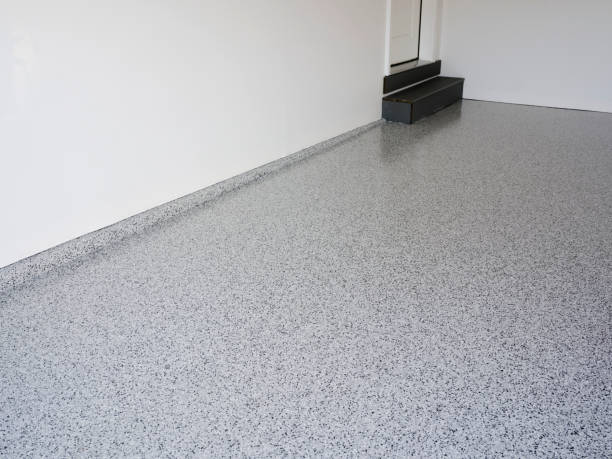
Full flake system A full flake epoxy system for garage floor epoxy garage flooring stock pictures, royalty-free photos & images

Selecting the right epoxy floor coating is essential to ensure durability, functionality, and aesthetic appeal. Since epoxy flooring is a significant investment, understanding your specific needs and matching them with the right type of coating is crucial. Below are key factors to consider when making your choice.

Assess Your Space Requirements

Different environments demand varied properties from an epoxy floor coating. Consider these questions:
Is the space residential, commercial, or industrial? Each setting has unique requirements in terms of durability and appearance.
What type of traffic does the floor endure? For heavy machinery or high foot traffic areas, a more robust epoxy is necessary.
Are chemical resistance or waterproofing important? Industrial spaces like factories or laboratories may require additional protective features.

Key Properties to Look for in Epoxy Coatings

Epoxy coatings come with diverse characteristics that cater to specific needs. Here are some critical features:
1. Durability: Choose coatings designed for wear-and-tear if you anticipate heavy usage.
2. Chemical Resistance: For garages or industrial sites exposed to oils, acids, and solvents, opt for chemically resistant formulations.
3. UV Resistance: If exposed to sunlight often (e.g., patios), UV-resistant epoxy prevents fading and yellowing over time. 4. Aesthetic Options: Some epoxies offer customizable designs such as metallic finishes or decorative flakes.

Different Types of Epoxy Floor Coatings

Type Best Applications Key Features
Water-Based Epoxy Residential garages, light-duty areas Easy application; less odor; eco-friendly
Solvent-Based Epoxy Warehouses, commercial spaces High adhesion; durable; requires ventilation
Metallic Epoxy Showrooms, offices Elegant design; smooth finish
100% Solids Epoxy Industrial floors Highly durable; long-lasting

Evaluate Your Budget

The cost of epoxy flooring varies based on type and application method. While cheaper solutions like water-based epoxies may suffice for residential use, industrial settings may require a higher investment in 100% solids formulations.

Professional Installation vs DIY

Decide whether professional installation is required based on your project’s complexity: – DIY Friendly: Water-based or thin-film epoxies are easier for homeowners. – Professional Installations: Metallic finishes or thick multi-layer coatings often require expertise for flawless results.

Maintenance and Longevity

Proper maintenance ensures your epoxy lasts longer: – Regular cleaning with non-abrasive solutions. – Avoid dragging sharp objects that could scratch the surface. – Periodically recoat high-use areas if necessary.

By carefully assessing these factors—functional requirements, desired properties, budget considerations—you can confidently select an epoxy floor coating tailored to your space’s needs while ensuring long-term satisfaction from your investment.

Top Tips for Choosing Clearwater Epoxy Garage Flooring Based on Functionality

Selecting the right epoxy floor coating is vital for ensuring durability, safety, and aesthetic appeal in any environment. Different epoxy coatings are tailored for specific uses, and understanding their functionality can help you make an informed decision.

Factors to Consider When Choosing an Epoxy Coating

  1. Is the space residential, commercial, or industrial?
  2. Will it experience heavy foot traffic or vehicular loads?
  3. Is chemical resistance a priority?
  4. Determine whether the substrate is concrete, wood, or metal.
  5. Ensure proper surface preparation to enhance adhesion and longevity.
  6. If the flooring will face high wear and tear (e.g., garages or warehouses), opt for coatings with higher mechanical strength.
  7. For areas with occasional spills or light use (such as basements), a thinner coating may suffice.
  8. Decide if decorative finishes like metallic epoxy or flakes are necessary to match a design theme.
  9. Choose from a variety of colors, textures, and gloss levels to achieve your desired appearance.
  10. While initial costs may vary by type of epoxy, consider long-term savings through durability and maintenance requirements.

Types of Functional Epoxy Floor Coatings

Epoxy Type Ideal Applications Key Features
Self-Leveling Epoxy Warehouses, garages, kitchens Seamless finish; easy-to-clean surface
Anti-Slip Epoxy Pool decks, ramps, wet environments Textured surface; improves safety
Metallic Epoxy Residential spaces; showrooms High gloss; luxurious aesthetic appeal
100% Solids Two-Part Industrial floors; areas requiring extreme durability Maximum strength; chemical resistance
Epoxy Flake Coating Retail spaces; recreational areas Decorative flakes for added visual interest

Matching Functionality with Industry Needs

  • Industrial Facilities: Require heavy-duty coatings like two-part 100% solids systems to handle excessive weight loads and exposure to chemicals.
  • Healthcare Environments: Need smooth self-leveling epoxy floors that are hygienic and easy to maintain.
  • Retail Spaces: Often benefit from decorative flake finishes that combine functionality with eye-catching aesthetics.
  • Residential Settings: May utilize metallic or standard epoxies depending on desired durability and design preferences.

Maintenance Considerations

  • Regular cleaning ensures continued performance. Use mild detergents suitable for epoxies.
  • Evaluate if additional sealants or recoating will be necessary over time based on usage intensity.

Types of Epoxy Floor Coatings and Their Unique Applications

Epoxy floor coatings are highly versatile solutions that cater to a wide range of industries and residential needs. Each type of epoxy coating offers distinct properties, making it suitable for specific applications. Understanding the different types of epoxy flooring can help you select the one that aligns with your requirements. Below, we explore the key types of epoxy floor coatings and their unique applications.

1. Self-Leveling Epoxy

Self-leveling epoxy is a popular choice for creating smooth, seamless surfaces over new or existing concrete floors. It is often used in environments where durability and aesthetics are equally important.

Applications:
– Warehouses
– Commercial kitchens
– Manufacturing facilities
– Residential garages

Key Features:
– Smooth finish that hides imperfections in the substrate
– High resistance to abrasion, chemicals, and impact
– Easy to clean and maintain

2. Epoxy Mortar Flooring

Epoxy mortar flooring is the most durable type of epoxy coating. It consists of a combination of epoxy resin and sand or quartz aggregates, making it resistant to heavy impacts and wear.

Applications:
– Industrial spaces with heavy machinery
– Areas prone to high foot or vehicle traffic
– Repairing damaged concrete surfaces

Key Features:
– Extremely durable and long-lasting
– Ideal for environments requiring chemical resistance
– Can be used as a repair material for cracks before applying other coatings

3. Metallic Epoxy

Metallic epoxy flooring is sought after for its decorative appeal. Pigments are added during installation, creating unique swirls or patterns that resemble marble or liquid metal.

Applications:
– Showrooms
– Retail stores
– High-end residential spaces

Key Features:
– Customizable finishes for a luxurious appearance
– UV-resistant options available to prevent discoloration over time
– Durable enough for light commercial use

4. Epoxy Flake Coating

This type incorporates colored flakes into the epoxy layer to add texture, depth, and slip resistance to floors.

Applications:
– Recreational centers
– Locker rooms
– Garage floors

Key Features:
– Enhanced traction due to flaked surface texture
– A wide variety of flake colors available for customization
– Hides dirt, scratches, and other imperfections effectively

Type Key Feature Common Applications Durability Level
Self-Leveling Smooth finish Warehouses, kitchens High
Mortar Flooring Impact-resistant Industrial areas Very High
Metallic Decorative appeal Showrooms, retail stores Medium
Flake Coating Textured surface Garages, recreational areas High

5. Anti-static Epoxy Flooring

Anti-static epoxy flooring is designed for environments sensitive to static electricity buildup. This coating includes conductive materials that dissipate charges safely.

Applications:
– Electronics manufacturing facilities
– Chemical plants
– Hospitals

Key Features:
– Prevents static-induced damage in sensitive equipment
– Provides chemical resistance in industrial settings

By understanding the unique attributes of each type of epoxy floor coating, you can make an informed decision tailored to your functional needs and aesthetic preferences.

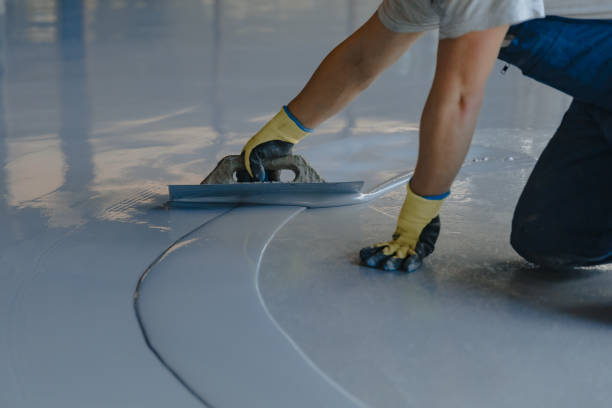
Construction worker applying grey epoxy resin in an industrial hall A construction worker applying grey epoxy resin in an industrial hall epoxy garage flooring stock pictures, royalty-free photos & images

Understanding Metallic Epoxy and Its Aesthetic Appeal

Metallic epoxy flooring has gained immense popularity in both residential and commercial spaces due to its distinctive visual appeal and exceptional durability. This unique type of epoxy coating creates a striking, three-dimensional look that mimics the appearance of molten metal, marble, or other natural stone finishes. Beyond its stunning aesthetics, metallic epoxy offers numerous benefits that make it a preferred choice for spaces looking to combine beauty with functionality.

What is Metallic Epoxy Flooring?

Metallic epoxy is a specialized variation of standard epoxy coatings. It involves the addition of metallic pigments to a two-part epoxy system. These pigments are suspended within the mixture and create patterns and textures as they flow during application. The result is a highly reflective, multi-dimensional surface that shifts in appearance depending on lighting and viewing angle.

Key Features of Metallic Epoxy

  • Customizable Designs: Each metallic epoxy floor is unique. Variations in pigment types, colors, and application techniques allow for completely customized finishes.
  • Durable Surface: Metallic epoxy retains the toughness of traditional epoxy coatings, making it resistant to scratches, stains, chemicals, and abrasions.
  • High Reflectivity: The glossy surface enhances lighting by reflecting light across the room.
  • Seamless Finish: The absence of grout lines or seams creates a smooth, continuous surface that is both attractive and easy to clean.

When Should You Choose Metallic Epoxy?

  1. Living rooms
  2. Basements
  3. Kitchens
  4. Garages
  5. Showrooms
  6. Retail stores
  7. Restaurants
  8. Offices
  9. Art galleries
  10. Salons or spas
  11. Nightclubs or lounges

Pros and Cons Overview

Pros Cons
Unique design possibilities Requires skilled installation
Extremely durable Higher upfront cost
Easy to maintain Can be slippery when wet
Chemical-resistant Longer curing time

Installation Process for Metallic Epoxy

  1. Surface Preparation: The substrate must be clean, smooth, and free from imperfections.
  2. Primer Coat Application: A primer ensures strong adhesion between the substrate and coating.
  3. Base Coat Application: A base layer (often black or white) sets the foundation for the metallic pigments.
  4. Pigment Layer Addition: Metallic pigments are blended into the clear coat and applied using specific techniques like troweling or swirling.
  5. Topcoat Application: A protective topcoat adds gloss while sealing the surface against damage.

Maintenance Tips for Longevity

  • Sweep regularly with a soft-bristle broom to remove dirt particles.
  • Use a damp mop with mild detergent for deeper cleaning as needed.
  • Place protective pads under heavy furniture or equipment to prevent scratches.
  • Avoid dragging sharp objects directly across the floor.

By following these guidelines, metallic epoxy floors can maintain their luxurious appearance while providing long-lasting performance.

Epoxy Flake Flooring: Benefits and Design Possibilities

Epoxy flake flooring is a versatile, durable, and visually appealing flooring option that has gained popularity across residential, commercial, and industrial spaces. This unique epoxy coating system integrates small flakes or chips into the surface layer to create a textured finish with various aesthetic and functional advantages. Below is a detailed overview of the benefits and design possibilities offered by epoxy flake flooring.

Key Benefits of Epoxy Flake Flooring

  1. Epoxy flake flooring provides exceptional resistance to wear and tear, making it suitable for high-traffic areas.
  2. The integration of flakes into the epoxy increases scratch resistance while minimizing visible signs of damage over time.
  3. It offers protection against chemical spills, moisture penetration, and impact forces.
  4. The textured surface created by the flakes improves traction, reducing slip hazards in both wet and dry conditions.
  5. This makes it an ideal choice for spaces like garages, locker rooms, commercial kitchens, and warehouses.
  6. Available in a wide range of colors, patterns, and finishes to match any design preference.
  7. The flakes can mimic natural materials such as granite or terrazzo at a fraction of the cost.
  8. Both high-gloss and matte finishes are available to further customize the look.
  9. Its seamless surface prevents dirt or debris from accumulating in cracks or crevices.
  10. Cleaning typically requires minimal effort with basic sweeping or mopping.
  11. Compared to traditional flooring materials like stone or tile, epoxy flake systems are relatively affordable while offering similar aesthetic appeal.
  12. Extended lifespan reduces the need for frequent repairs or replacements.

Design Possibilities with Epoxy Flake Flooring

Feature Options Available
Flake Sizes Micro (1/32″), Small (1/16″), Medium (1/4″), Large (5/8″)
Flake Colors Solid colors or multi-colored blends
Pattern Customization Random dispersal for natural looks or dense application for uniformity
Finish Options High-gloss reflective coatings or matte textures
  • Residential: Add vibrant color blends for playrooms or subtle neutral tones for basements.
  • Commercial: Match brand colors in retail stores or create durable decorative finishes in office lobbies.
  • Industrial: Choose highly visible safety-colored flakes for manufacturing plants or warehouses.

Applications of Epoxy Flake Flooring

  • Residential garages
  • Auto showrooms
  • Hospitals
  • Educational institutions
  • Recreational facilities
  • Restaurants

By combining durability with endless customization options, epoxy flake flooring remains an excellent choice for anyone seeking a reliable yet aesthetically pleasing surface solution tailored to their environment’s specific needs.

Benefits of Hiring an Epoxy Flooring Company Clearwater FL for Durable Two-Part Coatings

Two-part epoxy floor coatings with 100% solids are among the most durable and efficient options available in the market for both residential and commercial settings. Their popularity stems from their superior strength, resistance to wear, and long-lasting performance. Let’s delve deeper into what makes this type of epoxy coating stand out.

What Does “100% Solids” Mean?

  • Higher Durability: Unlike solvent-based or water-based epoxies, every component of a 100% solids formula contributes to the final cured product. This ensures a thicker and tougher coating.
  • No Shrinkage: Since there is no evaporation during curing, the applied thickness remains consistent after drying.
  • Eco-Friendly: Without volatile organic compounds (VOCs), 100% solids epoxy is safer for indoor environments and complies with green building standards.

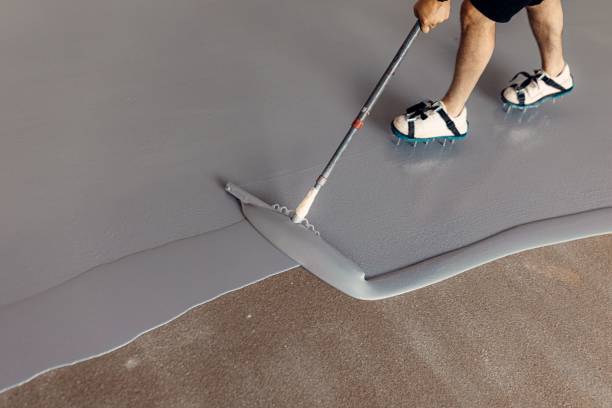
The worker applies gray epoxy resin to the new floor The worker applies gray epoxy resin to the new floor epoxy garage flooring stock pictures, royalty-free photos & images

Advantages of Two-Part Epoxy Floor Coatings

  1. Resistant to high-impact forces, abrasions, and chemical spills.
  2. Ideal for areas exposed to heavy foot traffic or vehicle loads.
  3. Creates a seamless bond with concrete substrates.
  4. Prevents peeling or flaking over time when properly installed.
  5. Works well in industrial facilities, warehouses, garages, basements, and even hospitals requiring hygienic surfaces.
  6. Can integrate decorative elements like metallic pigments or colored flakes for an added visual appeal.
  7. Available in gloss or matte finishes depending on aesthetic preferences.

Typical Applications

Application Area Reason for Use
Industrial Facilities Withstands forklifts, heavy machinery movement
Garages Resists oil stains and tire marks
Commercial Kitchens Protects against grease and food spills
Warehouses Durable under constant equipment operation

Application Process Overview

  1. Clean thoroughly to remove dust, oil stains, or debris.
  2. Grind or etch the surface to ensure better adhesion.
  3. Combine resin and hardener as per manufacturer instructions.
  4. Mix evenly to avoid curing inconsistencies.
  5. Use rollers or squeegees for even distribution.
  6. Apply in sections to ensure uniform thickness before it begins curing.
  7. Allow sufficient time (typically 24-72 hours) for complete curing before subjecting the floor to use.

Potential Considerations

  • Skill Required: Proper mixing ratios are critical; improper preparation can lead to weak spots or uneven surfaces.
  • Limited Working Time: Once mixed, there is a small window before the mixture begins curing.
  • Cost: The initial investment may be higher compared to simpler alternatives like water-based epoxies; however, its longevity justifies the expense over time.

Two-part epoxy floor coatings with 100% solids represent a reliable flooring solution combining strength with aesthetics. Whether you’re managing an industrial workspace or enhancing your residential garage floor’s durability and appearance, this option offers value through its exceptional performance characteristics when applied correctly.

Finding the Right Epoxy Garage Flooring Contractor Clearwater FL for Your Project

Choosing the appropriate thickness for your epoxy flooring is a critical decision that directly impacts its durability, functionality, and overall performance. The ideal thickness depends on the specific application, the amount of traffic or usage the floor will endure, and the type of epoxy being applied. Below is a guide to help you determine the correct thickness based on various considerations.

Factors to Consider When Choosing Epoxy Floor Thickness

  1. Type of Space
    Consider what type of environment the epoxy will be installed in:
  2. Residential Settings: In areas like garages or basements where foot traffic and light vehicle use are common, thinner coatings around 2-3 millimeters are generally sufficient.
  3. Commercial Spaces: For spaces such as retail stores or offices with moderate foot traffic, a medium thickness (3-5 millimeters) may be more appropriate.
  4. Industrial Environments: Heavily trafficked environments like warehouses or manufacturing facilities require thicker applications of 5-10 millimeters to handle heavy machinery and constant wear.
  5. Level of Traffic
    The volume and type of traffic should align with your chosen coating thickness:
  6. Light foot traffic: 1-2 millimeters.
  7. Moderate foot or vehicle traffic: 3-5 millimeters.
  8. Heavy industrial equipment or high-impact usage: 6+ millimeters.
  9. Surface Condition
    If your floor has imperfections such as cracks, uneven areas, or previous damage, a thicker epoxy coating may be necessary to properly level and reinforce the surface.
  10. Decorative purposes (e.g., metallic finishes): Typically require thinner layers since aesthetics take precedence over durability.
  11. Functional uses (e.g., chemical resistance in laboratories): Thicker coatings provide better protection against spills and abrasions.

Thickness Guidelines Based on Common Applications

Application Type Recommended Thickness Notes
Residential Garages 2–3 mm Sufficient for cars and light tools
Retail or Commercial Floors 3–5 mm Handles moderate foot traffic
Industrial Warehouses 5–10 mm Suitable for forklifts/heavy loads
Decorative Metallic Floors <2 mm Primarily aesthetic
Laboratories/Chemical Areas >4 mm Resistant to chemicals/spills

Types of Epoxy Coatings Based on Thickness

  • Thin Film Systems: These are typically less than 1 millimeter thick. They are used mainly for decorative purposes but offer limited durability under heavy use.
  • Self-Leveling Epoxy: Ranges from 2 to 4 millimeters in thickness, making it ideal for spaces requiring smooth, even surfaces without significant structural demands.
  • High-Build Epoxy Systems: These systems can range from 4 up to 10+ millimeters in thickness and are designed for maximum strength in industrial environments.

Tips for Making the Right Decision

When deciding on an epoxy floor’s thickness: – Perform a thorough assessment of your space’s requirements. – Consult with professionals if you’re unsure about load-bearing capacity or durability needs. – Remember that higher thickness levels generally increase longevity but may also raise material costs.

By carefully evaluating these aspects, you can select an epoxy flooring solution tailored to your specific needs while maximizing both functionality and cost-efficiency.


Garage flooring Epoxy flake system for your garage floor epoxy garage flooring stock pictures, royalty-free photos & images

When it comes to selecting the perfect epoxy flooring, understanding your needs and evaluating your options is essential. Whether you’re renovating a home garage or upgrading the floors of a commercial facility, choosing the right epoxy flooring can have a significant impact on durability, aesthetics, and functionality. Here are some key factors to consider when making your decision.

Understand the Purpose of Your Space

  • Residential spaces: Homeowners may prioritize aesthetic appeal and comfort for areas like basements, kitchens, or garages.
  • Commercial spaces: Businesses often need durable and non-slip surfaces for high-traffic areas such as warehouses, retail stores, or office spaces.
  • Industrial facilities: Factories and manufacturing plants require chemical resistance, heavy-load capacity, and easy-to-clean surfaces.

Knowing the primary purpose of your space will help you narrow down your options.

Evaluate Epoxy Types

Epoxy Type Features Ideal Use Cases
Self-Leveling Epoxy Smooth finish; fills cracks Garages, kitchens, commercial areas
Metallic Epoxy Decorative; unique 3D effect Showrooms, recreation rooms
Anti-Slip Epoxy Enhanced surface grip Warehouses, industrial zones
Vapor Barrier Epoxy Protects against moisture Basements or areas with high humidity levels

Choose a type that suits both functional needs and aesthetic preferences.

Assess Durability Requirements

  • Will the floor be exposed to heavy equipment or vehicles?
  • Is chemical resistance necessary in this environment?
  • How often will cleaning be required?

Answering these questions will help you decide whether standard epoxies suffice or if heavy-duty options like quartz-filled systems are needed.

Prioritize Safety Features

  • Reflective properties can improve lighting in dimly lit spaces.
  • Anti-static features may be essential in electronics manufacturing facilities.

Factor in Aesthetics

  • Neutral tones create a clean and modern feel.
  • Bright colors can make retail spaces more inviting.
  • High-gloss finishes add sophistication but may require extra maintenance to maintain shine.

Epoxy also allows decorative elements such as flakes or patterns for added visual appeal.

Pro Tip: Work With Professionals

While DIY kits are available on the market for simple projects like garage floors, larger-scale installations often benefit from professional expertise. Professionals ensure proper surface preparation — which is crucial for adhesion — and offer advice on material selection based on your specific needs.

By carefully considering all these factors — from functionality to safety and style — you can confidently select an epoxy solution that enhances both performance and appearance in your residential or commercial space.

Transform Your Space with the Top Epoxy Flooring Company Clearwater FL

Epoxy flooring has become a popular choice for residential, commercial, and industrial spaces due to its durability, aesthetic appeal, and versatility. Choosing the right epoxy flooring solution can significantly enhance the functionality and appearance of your space. Below is a guide to help you better understand how epoxy flooring can transform your environment and why it might be the perfect solution for your needs.

Benefits of Epoxy Flooring

  • Durability: Epoxy floors are tough, long-lasting, and resistant to wear and tear.
  • Aesthetic Appeal: Available in a wide range of colors, patterns, and finishes to match any design style.
  • Chemical Resistance: Ideal for environments where chemical spills are common (e.g., garages or industrial facilities).
  • Seamless Surface: Provides a smooth surface that is easy to clean and maintain.
  • Safety Features: Slip-resistant options available for added safety in high-traffic areas.

Transforming Residential Spaces

In homes, epoxy flooring is often chosen for areas such as garages, basements, or kitchens. Its sleek appearance can elevate the look of your interior while offering practical benefits.

  • Garage Floors: Epoxy adds a professional shine while protecting against oil stains and tire marks.
  • Basements: A moisture-resistant solution that prevents mold growth and enhances durability.
  • Kitchens: Easy-to-clean surfaces suitable for busy households where spills are frequent.

For homeowners looking to add modern appeal while minimizing maintenance efforts, epoxy stands out as an excellent option.

Enhancing Commercial Spaces

Application Area Benefits
Retail Stores Brightens spaces with customizable colors or logos for branding purposes
Office Buildings Sleek finishes create a professional look with minimal upkeep
Warehouses Withstands heavy machinery use without cracking or deteriorating
Restaurants/Cafes Hygienic surfaces that comply with health regulations

Investing in epoxy flooring can enhance customer experience while reducing long-term maintenance costs.

Key Considerations Before Installation

  1. High foot traffic may require thicker coatings or slip-resistant additives.
  2. For outdoor areas exposed to sunlight or extreme temperatures, UV-resistant coatings may be necessary.
  3. Match tones with existing decor or select finishes like matte vs glossy based on personal preference.
  4. While durable options exist at every price point; premium designs come with higher costs.

By addressing these considerations early on in the decision-making process alongside professional consultation services (if needed), you’ll ensure optimal results tailored specifically toward meeting unique spatial demands

Tips for Choosing an Epoxy Garage Flooring Contractor Clearwater FL

When selecting epoxy flooring for your residential or commercial space, identifying and understanding your specific requirements is critical to ensuring a durable and functional result. Each space has unique needs, so evaluating factors such as the intended use, budget, and environmental conditions will help you make an informed decision.

Assess the Purpose of the Space

  • For garages or basements: Opt for high-durability epoxy that can withstand heavy traffic and potential moisture issues.
  • Living areas: Choose decorative epoxy systems with visually appealing options like metallic or flake finishes.
  • Retail stores and showrooms: Look for scratch-resistant coatings with a sleek finish to maintain a polished appearance.
  • Warehouses or industrial spaces: Invest in high-performance epoxy capable of resisting wear from heavy machinery, foot traffic, and spills.

Consider Environmental Factors

  • Temperature: Some types of epoxy may not cure properly in extreme cold or heat. For outdoor settings or areas exposed to temperature fluctuations (e.g., cold storage units), select epoxies designed for such conditions.
  • Moisture Levels: High moisture environments require specialized moisture-tolerant primers or vapor barrier coatings before applying epoxy.

Durability & Resistance Needs

Property Ideal Application Examples
Chemical Resistance Industrial facilities handling harsh chemicals Laboratories, manufacturing plants
Impact Resistance High-traffic areas with potential for dropped objects Warehouses, garages
Abrasion Resistance Areas prone to frequent movement and wear Retail spaces, loading docks

Aesthetic Considerations

  • Solid Colors: Best suited for a clean and modern look.
  • Metallics: Create visual depth with striking effects ideal for showrooms.
  • Flake Systems: Provide texture while achieving a decorative appearance.

Budget Constraints

Epoxy flooring systems vary widely in cost depending on type and features. When setting your budget: – Identify priorities (e.g., durability vs. aesthetics). – Factor in long-term value as epoxy floors can reduce maintenance costs over time.

By analyzing these key aspects—functionality needs, environmental factors, durability requirements, aesthetics preferences, and budget—you’ll be well-prepared to select an epoxy flooring system that meets both practical demands and design goals.

Selecting the Best Epoxy Flooring Installers Clearwater FL for Your Needs

1. Purpose and Usage

  • Residential Spaces: If you’re selecting epoxy flooring for a garage, basement, or kitchen, prioritize aesthetics and resistance to stains, chemicals, and moisture.
  • Commercial Areas: For warehouses, showrooms, or retail spaces, durability and slip resistance should take precedence due to heavy foot traffic and potential wear and tear.
  • Industrial Applications: Manufacturing facilities may require specialized coatings that resist chemicals, high impact loads, or extreme temperatures.

2. Traffic Load

Type of Traffic Recommended Epoxy Flooring Solution
Light Foot Traffic Thin coat epoxy systems (around 1mm thickness)
Moderate Foot Traffic Self-leveling epoxy with increased durability
Heavy Machinery/Traffic High-build epoxy or quartz-filled systems

For areas subjected to heavy-duty use (e.g., forklifts or vehicles), a thicker layer and reinforced coating system are recommended.

3. Resistance Requirements

Epoxy flooring is prized for its resistance properties; however, these can vary depending on the formulation used: – Chemical Resistance: Ideal for laboratories or factories where spills are common. – Moisture Resistance: Critical in basements or areas prone to water exposure. – Abrasion Resistance: Necessary for high-impact zones such as garages with heavy machinery.

Selecting an epoxy formula tailored to these conditions ensures long-term performance.

4. Budget Considerations

Epoxy flooring solutions cater to a range of budgets: – Basic solid color coatings tend to be more affordable. – Decorative options like metallic finishes or flake systems may increase costs due to additional materials and labor. Assessing upfront costs against long-term benefits like maintenance savings is crucial before making a decision.

5. Aesthetic Preferences

While functionality is vital, don’t neglect design aspects: – Choose finishes that harmonize with your interior decor. – Decorative flakes offer visual interest while enhancing slip resistance. – Metallic epoxies provide an upscale appearance ideal for modern spaces.

Aligning practical needs with visual appeal ensures your chosen flooring fits seamlessly within your space.

video thumbnail

Summary Checklist for Epoxy Selection

Use this checklist to guide your decision-making process:

  1. Define the primary purpose of the area (residential vs commercial vs industrial).
    2. Evaluate expected traffic load (light vs moderate vs heavy).
    3. Identify any specific resistance requirements (chemical/moisture/abrasion).
    4. Set a budget that balances affordability with quality needs.
    5. Decide on design features such as texture, color schemes, and finishes.

By carefully assessing these requirements upfront, you’ll ensure an optimal choice that suits both your functional needs and aesthetic goals while maximizing longevity and value.

Pick Your Preferred Finish and Texture for a Seamless Epoxy Flooring Look

Choosing the right finish and texture for your epoxy flooring is a critical step to ensure both functionality and aesthetics. With a variety of options available, making an informed decision based on your needs and preferences can significantly enhance the appeal and usability of your space. Below is an overview of finishes, textures, and factors to consider when customizing your epoxy flooring.

Popular Epoxy Flooring Finishes

  1. Provides a high-shine, reflective surface that brightens up any room.
  2. Ideal for commercial spaces like showrooms or garages where aesthetics are key.
  3. Resistant to stains and easy to clean, making it low maintenance.
  4. Offers a subtle, non-reflective appearance that exudes sophistication.
  5. Works well in residential spaces such as living rooms or bedrooms for a modern look.
  6. Reduces glare in brightly lit areas.
  7. Strikes a balance between glossy and matte finishes by providing a smooth yet slightly lustrous look.
  8. Perfect for spaces where you want understated elegance without compromising durability.
  9. Creates unique visual effects with swirls or patterns that mimic natural stone or liquid metal.
  10. Often used in high-end residential or commercial spaces to create an eye-catching focal point.

Texture Options for Optimal Safety and Performance

  • Smooth Surface: Best suited for areas where aesthetics take precedence over slip resistance, such as retail stores or offices.
  • Anti-Slip Additives: Textured surfaces can include materials like silica sand or aluminum oxide to enhance traction in wet or high-traffic areas like kitchens, warehouses, or workshops.
  • Flake Systems: Incorporating colored flakes into the epoxy coating adds both texture and design variability while improving slip resistance.
  • Broadcast Quartz: A popular choice for industrial environments due to its durability and enhanced grip properties.

Factors To Consider When Choosing Finish & Texture

Factor Consideration
Space Usage Is the area residential, commercial, industrial?
Aesthetic Preferences Do you prefer a glossy shine, matte tone, or something unique like metallic?
Safety Requirements Does the space require anti-slip features?
Maintenance Needs Higher gloss may require more cleaning but is easier to spot-clean spills.
Lighting Conditions Reflective finishes can brighten dimly lit spaces but may create glare in sunlight.

Professional Advice

Working with experienced epoxy flooring professionals can help you make decisions tailored to your specific requirements while ensuring flawless application quality. They can recommend appropriate combinations of finishes and textures based on functional demands as well as design goals.

By carefully selecting both the finish and texture that align with your needs, you’ll achieve an epoxy flooring look that not only enhances visual appeal but also provides long-lasting durability customized perfectly for its intended use case.

Selecting the Perfect Color to Complement Your Space with Epoxy Flooring

Choosing the right color for your epoxy flooring is essential to creating a space that is both functional and visually appealing. Whether you’re installing epoxy flooring in a residential or commercial setting, the color you select has a significant impact on the overall ambiance and usability of the area. Below, we explore key factors and tips for selecting the ideal epoxy floor color to complement your space.

Consider the Purpose of the Space

  • Neutral tones like gray, beige, or white work well in homes as they create a clean and modern look while being versatile enough to match various decor styles.
  • For garages, darker shades such as charcoal or black can help hide dirt and tire marks.
  • Bright colors like yellow or red can enhance visibility in industrial areas, improving safety.
  • Retail environments often benefit from more vibrant hues, such as blues or greens, which can evoke feelings of energy or calmness depending on the business’s branding goals.

Match Colors with Existing Design Elements

  • For spaces with neutral walls and furniture, consider bold or vibrant epoxy floor colors to add contrast.
  • In rooms where there’s already a lot of visual activity (patterns or bright accents), opt for subtle flooring colors that won’t overpower the design.
Wall/Furniture Colors Recommended Epoxy Floor Colors Effect Achieved
White/Beige Gray, Navy Blue Elegant and timeless
Dark Wood Light Gray, Cream Balanced and warm
Bright Accent Colors Neutral Tones (White/Gray) Keeps focus on accent

Use Color Psychology to Set the Mood

  • Blue: Encourages calmness and productivity—ideal for offices or study areas.
  • Green: Creates a natural and refreshing atmosphere—perfect for spas or wellness centers.
  • Gray: Conveys professionalism—suitable for corporate settings.
  • Red/Orange: Adds energy—great for gyms or creative studios.

Think about how you want people to feel when they enter your space and select colors accordingly.

Utilize Metallics and Speckled Finishes

  • Metallic finishes add depth through subtle shimmer effects, making them ideal for showrooms or high-end interiors.
  • Speckled designs (using flakes) provide texture while helping hide imperfections like scratches over time—this works well in garages or warehouses.

Test Samples Before Committing

  1. Request samples from your epoxy flooring provider.
  2. Test these samples under different lighting conditions (natural light vs artificial light) within your actual space.
  3. Compare how each sample complements existing features like cabinetry, walls, furniture, etc.

This step ensures you avoid surprises once installation is complete.

Selecting the perfect epoxy floor color requires thoughtful consideration of functionality, aesthetics, mood creation, and practical needs like durability. By evaluating these factors carefully—and testing samples where possible—you can ensure that your choice enhances both form and function in any setting.


resin from the metal bucket Gray resin from the metal bucket epoxy garage flooring stock pictures, royalty-free photos & images

Epoxy flooring is a revolutionary solution for residential, commercial, and industrial spaces that need durable, low-maintenance surfaces without compromising on aesthetics. Known for its versatility and strength, epoxy flooring has become a popular choice for homeowners and businesses alike. Whether you’re looking to upgrade your garage, warehouse, or retail space, epoxy flooring offers a range of benefits tailored to meet your needs.

What is Epoxy Flooring?

Epoxy flooring is created by applying a mixture of resin and hardener to an existing surface such as concrete. When these two components combine, they form a rigid plastic material that bonds seamlessly to the base layer. The result is a smooth, durable surface that can withstand heavy traffic, chemicals, and other environmental stressors.

Key Features of Epoxy Flooring

  • High Durability: Resistant to wear and tear caused by heavy machinery or foot traffic.
  • Chemical Resistance: Withstands exposure to oils, solvents, and other chemicals without damage.
  • Customizable Appearance: Available in various colors, patterns, and finishes (e.g., glossy or matte).
  • Seamless Finish: Ensures an even surface that’s easy to clean and maintain.
  • Moisture Protection: Acts as a barrier against water seepage in areas prone to dampness.

Common Applications for Epoxy Flooring

Application Area Reasons Why It’s Ideal
Garages Withstands impact from vehicles; resists oil spills
Warehouses Handles heavy equipment; reduces dust accumulation
Retail Stores Enhances aesthetic appeal; easy to clean
Hospitals & Clinics Hygienic; resistant to bacteria
Airports & Hangars Durable under high traffic; highly reflective

Advantages Over Other Flooring Options

  1. Enhanced Durability
    Unlike tiles that may crack under pressure or hardwood floors susceptible to scratches and moisture damage, epoxy floors retain their integrity even in high-stress environments.
  2. Low Maintenance Requirements
    Cleaning epoxy floors simply requires sweeping away debris or mopping with non-abrasive cleaners.
  3. Eco-Friendly Options Available
    Many modern epoxy products are developed with eco-conscious formulations that have low Volatile Organic Compound (VOC) content.
  4. Cost Effectiveness Over the Long Term
    While initial installation costs may be higher compared to some alternatives, the long lifespan of an epoxy floor ensures you save money over time through minimal repair expenses.

Customizing Your Epoxy Finish

  • Choose from solid colors or intricate decorative patterns.
  • Add metallic pigments for a sleek modern look.
  • Incorporate flakes or quartz aggregates for added texture and slip resistance.

Such customization options allow you to match your floor’s appearance with the overall design theme of your space while enhancing functionality.

Epoxy flooring represents more than just a practical solution; it’s also an opportunity to elevate the appearance of your space while ensuring long-term reliability. By offering superior performance combined with limitless design flexibility, this type of flooring has become an industry standard across numerous applications worldwide.

The Step-by-Step Process Used by an Epoxy Flooring Company in Clearwater FL for a Flawless Finish

Epoxy flooring is widely recognized for its durability, aesthetic appeal, and versatility. However, achieving a seamless and long-lasting finish requires careful planning and execution. Below is a step-by-step guide to the process of installing epoxy flooring to ensure a flawless result.

1. Preparing the Surface

  • Cleaning: Remove all dirt, dust, oils, grease, and debris from the surface using industrial cleaners or degreasers.
  • Repairing Imperfections: Fill cracks, holes, or other surface irregularities with appropriate fillers or patching compounds.
  • Grinding or Shot Blasting: Use mechanical tools like grinders or shot blasters to roughen and profile the concrete substrate to enhance adhesion.
Tools Needed Purpose
Concrete Grinder To smooth uneven surfaces
Vacuum To remove dust after grinding
Degreasers/Cleaners To eliminate grease/oil

2. Priming the Floor

Once the floor is properly prepared, applying a primer ensures better adhesion between the concrete base and epoxy coating. A high-quality primer also helps reduce air bubbles and seals any residual porosity in the substrate.

Steps to apply primer:
– Mix the primer according to manufacturer instructions. – Use a roller or squeegee to evenly spread it across the surface. – Allow adequate drying time as specified by the product guidelines.

3. Mixing Epoxy Resin and Hardener

The next crucial step involves preparing your epoxy mixture:
1. Combine resin with a hardener in precise ratios as outlined by your product manual. Incorrect mixing can compromise performance. 2. Stir thoroughly using a mechanical mixer until you achieve a uniform consistency. 3. Avoid delays; once mixed, epoxy has a limited pot life before it begins hardening.

4. Applying Base Coat

The base coat forms the foundation of your epoxy flooring system:
– Pour part of the mixed epoxy onto one section of the floor. – Spread evenly with rollers or squeegees while working systematically from one end to another. – For large spaces like garages or warehouses, divide sections strategically for faster application.

5. Adding Optional Design Elements

Enhance aesthetics by incorporating design features such as:
Color Chips/Flakes: Great for decorative purposes while adding texture to floors. – Metallic Additives: For creating unique swirls or visual depth effects in residential homes or showrooms. – Quartz Sand: Offers slip resistance along with improved durability in industrial settings.

6. Applying Topcoat

To protect your epoxy floor from wear and tear:
1. Apply a clear topcoat over cured layers for added durability against abrasion or chemicals. 2. Allow sufficient curing time before exposing it to foot traffic (usually 24–72 hours).

Curing conditions such as temperature and humidity should align with manufacturer recommendations throughout this phase.

By following these meticulous steps during installation—and ensuring no shortcuts are taken—your epoxy flooring will deliver both functionality and visual appeal for years ahead.

Advantages of Hiring an Epoxy Garage Flooring Contractor Clearwater FL for Your Space

Epoxy flooring has become a popular choice for both residential and industrial spaces due to its durability, cost-effectiveness, and sleek appearance. Whether it’s a garage or a high-traffic industrial facility, epoxy flooring offers numerous functional and aesthetic benefits. Below, we explore the advantages that make it an ideal choice for these environments.

1. Exceptional Durability

  • Garages: Resists damage from car tires, oil spills, and other automotive fluids.
  • Industrial Spaces: Tolerates forklifts, pallets, and other equipment commonly used in manufacturing or warehousing.

2. Easy Maintenance

Epoxy floors are seamless and non-porous, making them incredibly easy to clean. Unlike concrete or tiled surfaces, they don’t trap dirt or stains within cracks or grout lines.

  • Dust and debris can be swept away effortlessly.
  • Oil spills can be wiped clean without leaving residue.
  • Compatible with most commercial cleaning agents.

The low-maintenance nature of epoxy flooring reduces downtime in industrial settings while keeping spaces looking spotless.

3. Resistance to Chemicals

Epoxy floors offer superior chemical resistance compared to traditional flooring options. For garages and industrial facilities that frequently deal with chemicals like oils, solvents, or acids, this feature ensures the floor remains unaffected by accidental spills.

Type of Substance Resistance Level
Automotive fluids High
Cleaning agents Very High
Industrial-grade solvents Moderate-High

This makes epoxy an excellent investment for ensuring long-term reliability in chemically intensive environments.

4. Enhanced Safety Features

  • Anti-slip properties: Epoxy coatings can include additives such as textured finishes or silica granules to improve traction.
  • Improved visibility: The glossy texture reflects light efficiently, brightening up dimly lit spaces.
  • Fire resistance: Certain types of epoxy formulations are designed to reduce fire hazards by slowing down flame spread.

5. Customization Options

  • Color Choices: Match your brand’s color scheme for industrial facilities or choose neutral tones for garages.
  • Flake Systems: Add decorative flakes for a speckled appearance while enhancing the floor’s durability.
  • Metallic Finishes: Give your floor a sleek modern look with metallic pigments (ideal in showrooms adjacent to garages).

6. Cost Efficiency

  • Installation costs are relatively affordable when factoring in its longevity.
  • The lack of replacement cycles reduces long-term expenditure significantly.

When maintained properly, epoxy floors can last up to two decades in optimal conditions without needing replacement—saving homeowners and businesses considerable money over time.

A construction worker apply grey epoxy resin in an industrial hall A construction worker apply grey epoxy resin in an industrial hall epoxy garage flooring stock pictures, royalty-free photos & images

Final Thoughts on Choosing Epoxy Flooring Installers Clearwater FL

Choosing epoxy flooring for your garage or industrial space means investing in functionality without compromising aesthetics. With features like durability against wear-and-tear, chemical resistance, safety enhancements, easy maintenance routines—and customizable designs—it’s evident why this solution has become so popular across diverse industries today.

Exploring Metallic Epoxy Flooring: A Stylish and Modern Choice for Your Floors

Metallic epoxy flooring has grown in popularity due to its unique aesthetic appeal and functional benefits. This innovative flooring solution creates a high-gloss surface with a three-dimensional appearance, offering an unmatched combination of durability and style. Whether you’re upgrading your home, retail space, or office, metallic epoxy flooring provides a modern and luxurious touch that is both practical and visually striking.

What is Metallic Epoxy Flooring?

Metallic epoxy flooring is created by integrating metallic pigments into a clear epoxy coating. These pigments create swirling patterns that mimic the look of molten metal, flowing water, or even clouds. The result is a captivating design that adds depth and dimension to any space. No two metallic epoxy floors are identical, allowing for a truly customized finish.

Benefits of Metallic Epoxy Flooring

  • Aesthetics: The unique designs created by the metallic pigments give floors an elegant and luxurious appearance.
  • Durability: Like traditional epoxy coatings, metallic epoxy floors are highly resistant to wear and tear, making them suitable for high-traffic areas.
  • Easy Maintenance: The seamless surface prevents dirt, dust, and moisture from penetrating the floor, making it easy to clean.
  • Chemical Resistance: Metallic epoxy can withstand exposure to chemicals commonly found in industrial settings or households.
  • Customizable Designs: From subtle tones to bold swirls of color, the design possibilities with metallic epoxy are nearly limitless.

Ideal Applications for Metallic Epoxy Floors

Application Area Why Choose Metallic Epoxy?
Residential Spaces Adds sophistication to living rooms, basements, or kitchens.
Commercial Spaces Creates a statement-making entrance or showroom floor.
Retail Environments Enhances store interiors while maintaining durability.
Hospitality Settings Provides an upscale look for lobbies or dining areas.
Office Buildings Combines professionalism with modern design trends.

Installation Process: Key Steps

  1. Assess the condition of the substrate (typically concrete).
  2. Repair cracks or imperfections on the surface.
  3. Grind or sand the floor to ensure proper adhesion.
  4. Apply an initial primer layer to create a solid foundation.
  5. This step improves adhesion between the substrate and subsequent layers.
  6. Introduce the base color layer upon which metallic pigments will be applied.
  7. Allow it to cure properly before proceeding.
  8. Mix metallic pigments into clear epoxy resin.
  9. Pour over the base coat while creating desired patterns using brushes or blowers.
  10. Apply a protective topcoat for additional strength and gloss retention.
  11. This layer ensures resistance against scratches and stains over time.

Tips for Maximizing Longevity

  • Avoid dragging heavy furniture across its surface.
  • Use pH-neutral cleaners to maintain shine without causing damage.
  • Consider reapplying topcoats periodically if exposed to significant wear over time.

Overall, metallic epoxy flooring combines bold visual appeal with outstanding durability—an ideal option for those aiming to elevate their spaces with both style and substance.

Understanding the Importance of Proper Floor Preparation Before Applying Epoxy Coatings

Proper floor preparation is the cornerstone of a successful epoxy flooring application. Skipping or rushing this step can compromise both the durability and aesthetic appeal of the finished floor. Below, we’ll discuss why preparation is critical, outline key steps involved in the process, and highlight best practices to achieve long-lasting results.

Why Is Floor Preparation Essential?

  1. Ensures Adhesion: Epoxy coatings require a strong bond with the substrate. Dust, dirt, oils, or sealants on the surface can weaken this bond, leading to peeling or cracking over time.
  2. Prevents Imperfections: Uneven surfaces, cracks, or holes can affect the smooth application of epoxy and diminish its appearance.
  3. Enhances Durability: Properly prepared floors are more resistant to wear and tear because the epoxy adheres seamlessly to a clean and stable surface.
  4. Maximizes Longevity: By addressing potential flaws before coating, you minimize future repair needs and extend the life of your flooring system.

Key Steps in Floor Preparation

  1. Begin by removing any loose debris such as dust or dirt using a broom or vacuum.
  2. Wash the surface thoroughly with a degreaser to eliminate oils or other contaminants that may interfere with adhesion.
  3. Inspect for cracks, chips, or holes in the concrete surface.
  4. Use an appropriate concrete patching compound to repair imperfections; allow adequate curing time as per product specifications.
  5. Conduct moisture tests to ensure there is no excessive water vapor emission from the substrate.
  6. High moisture levels can cause adhesion failure or bubble formation in your epoxy coating.
  7. Use grinders, shot blasters, or scarifiers to create a textured surface that promotes better epoxy bonding.
  8. Concrete should have at least a CSP (Concrete Surface Profile) level of 2-3 for most residential applications; consult manufacturer guidelines for specific requirements.
  9. After mechanical profiling, vacuum up all dust generated during grinding or blasting.
  10. Perform additional cleaning with an acetone-based solvent if needed to remove residual contaminants.
  11. For light-duty applications where mechanical grinding isn’t feasible, use an acid etching solution to roughen the concrete surface chemically.
  12. Rinse thoroughly after etching and dry completely before proceeding.
  13. Check thoroughly for any remaining imperfections such as unevenness or residual contaminants before applying primer or base coats.

Best Practices for Professional Results

  • Ensure proper curing time if your concrete is newly poured; most epoxies require at least 28 days of curing prior to application.
  • Always wear protective gear when grinding concrete surfaces due to dust generation and potential exposure risks.
  • Invest in high-quality equipment like industrial vacuums and diamond grinders for efficient preparation without compromising safety standards.
Preparation Step Purpose Tools/Materials Required
Surface Cleaning Remove debris & contamination Broom/vacuum/degreaser
Repairing Damage Fix cracks/holes Concrete patching compound
Testing for Moisture Identify moisture issues Calcium chloride test kit
Mechanical Profiling Promote better adhesion Grinder/shot blaster/scarifier
Etching (Optional) Roughen surface chemically Acid solution

Proper preparation not only ensures optimal adhesion but also prevents costly repairs down the line. By following these steps meticulously and adhering to best practices, you lay a robust foundation for achieving durable and visually appealing epoxy flooring that will stand up against wear over time without compromise on quality standards.

Enhancing Durability and Aesthetics with Flake and Quartz-Based Epoxy Flooring Options

Flake and quartz-based epoxy flooring systems are among the most popular choices for clients seeking a blend of functionality, style, and long-term durability. These options not only provide a visually appealing finish but also enhance the performance of floors in both residential and commercial settings. Below, we’ll explore their characteristics, benefits, and applications.

What Are Flake and Quartz-Based Epoxy Flooring Systems?

  1. Flake epoxy flooring incorporates decorative vinyl flakes or chips into the epoxy resin.
  2. These flakes come in various sizes, colors, and blends to create custom patterns or textures that mimic materials like granite or terrazzo.
  3. The result is an attractive, non-slip surface with added depth.
  4. Quartz-based epoxy floors use colored quartz granules combined with clear or pigmented epoxy coatings.
  5. This system offers a highly durable, textured surface ideal for areas requiring slip resistance while maintaining aesthetic appeal.

Construction worker apply grey epoxy resin in an industrial hall A construction worker apply grey epoxy resin in an industrial hall epoxy garage flooring stock pictures, royalty-free photos & images

Benefits of Flake and Quartz Epoxy Systems

  • Aesthetic Appeal: Both flake and quartz finishes allow endless design possibilities through customizable colors and patterns.
  • Slip Resistance: The addition of texture from flakes or quartz granules enhances safety by reducing slipperiness.
  • Durability: Epoxy coatings reinforced with flakes or quartz are scratch-resistant, impact-resistant, and able to withstand heavy foot traffic or machinery.
  • Chemical Resistance: These systems protect floors from damage caused by oils, solvents, cleaning agents, and other chemicals.
  • Seamless Finish: The installation process ensures a smooth surface without grout lines where dirt can collect.

Popular Applications

Application Area Recommended System Key Considerations
Residential Garages Flake Epoxy Durable finish with improved aesthetics
Commercial Kitchens Quartz Epoxy Slip-resistant surface for safety
Automotive Showrooms Flake or Quartz High-gloss finish with chemical resistance
Healthcare Facilities Quartz Hygienic seamless surfaces
Industrial Warehouses Flake Resilient to heavy equipment movement

How They Enhance Durability

The combination of high-quality resin binders with durable flakes or quartz particles results in stronger surfaces that can withstand wear over time. Unlike bare concrete floors that are prone to cracking under heavy loads or exposure to chemicals, these systems protect the substrate while extending its lifespan.

Enhancing Aesthetics Through Design Customization

  • Choose color blends that complement your space’s design.
  • Opt for high-gloss finishes for a modern look or matte textures for subtlety.
  • Incorporate patterns like speckles using multi-colored flake blends.

With proper installation by professionals experienced in epoxy floor coating systems, flake and quartz-based options provide unmatched beauty paired with exceptional performance—making them ideal solutions whether you’re upgrading residential interiors or optimizing industrial spaces.

Concrete Staining and Sealing: Complementary Services to Elevate Your Epoxy Floors

Epoxy flooring is a fantastic solution for creating durable, aesthetically pleasing surfaces. However, if you’re looking to further enhance the appearance and longevity of your floors, concrete staining and sealing can be excellent complementary services. These processes not only work in tandem with epoxy coatings but also provide additional customization options and protection for your floors.

What is Concrete Staining?

Concrete staining is a process used to add color and design to concrete surfaces. Unlike paint or other surface-level coatings, stains penetrate deep into the concrete, creating long-lasting effects that resist fading or chipping.

Benefits of Concrete Staining:Aesthetic Appeal: Stains are available in a wide variety of colors and finishes (e.g., matte or glossy). They can mimic the look of natural stone, marble, or even polished wood. – Durability: Since stains seep into the concrete’s surface, they are resistant to peeling or flaking over time. – Low Maintenance: Stained concrete floors are easy to clean with simple sweeping or mopping. – Customizable Designs: Stains allow for intricate patterns or unique artistic touches.

When paired with epoxy flooring, stained designs can enhance visual interest by adding depth and complexity beneath clear epoxy coatings.

The Role of Concrete Sealing

After applying an epoxy coating (or stain), using a sealant can offer an extra layer of protection against wear and tear. Sealers act as a barrier between your floor and external elements such as moisture, chemicals, dirt, and abrasions.

Advantages of Sealing Floors:Improved Longevity: Sealants help prevent cracks or damage caused by heavy foot traffic or mechanical wear. – Enhanced Appearance: Sealers intensify colors from stains while giving floors an attractive sheen (e.g., satin or high-gloss finish). – Moisture Resistance: Reduces the risk of water damage in spaces like garages, basements, or industrial areas. – Stain Protection: Protects against oil spills, grease stains, and other contaminants.

Pairing Epoxy Flooring with Concrete Staining & Sealing

Service Purpose Key Benefits
Epoxy Coating Creates a seamless surface that resists chemicals/abrasion Durability; variety of finishes & textures
Concrete Staining Adds color/design while mimicking materials like stone/marble Customization; long-lasting aesthetic appeal
Concrete Sealing Protects underlying layers from moisture/damage Extended life span; easier maintenance

For instance: 1. A stained concrete floor can be coated with clear epoxy for translucence that highlights vibrant colors underneath. 2. A sealed floor ensures protection from everyday wear while maintaining its polished look over time.

Applications Across Different Environments

This combination works well across residential, commercial, and industrial settings: – Residential Spaces: Achieve elegant designs in living rooms or patios by using decorative stains covered with a glossy epoxy finish. – Garages/Workshops: Protect stained floors from oil spills using sealants while benefiting from heavy-duty epoxy coatings. – Retail & Commercial Spaces: Create visually striking showrooms with metallic-stained concrete under clear epoxy surfaces for a modern look.

By integrating these services into your flooring project plan—whether for aesthetic goals or functional needs—you can create versatile spaces that stand out while resisting daily challenges effectively.