

Selecting the right epoxy floor coating is essential to ensure durability, functionality, and aesthetic appeal. Since epoxy flooring is a significant investment, understanding your specific needs and matching them with the right type of coating is crucial. Below are key factors to consider when making your choice.
Assess Your Space Requirements
Different environments demand varied properties from an epoxy floor coating. Consider these questions:
– Is the space residential, commercial, or industrial? Each setting has unique requirements in terms of durability and appearance.
– What type of traffic does the floor endure? For heavy machinery or high foot traffic areas, a more robust epoxy is necessary.
– Are chemical resistance or waterproofing important? Industrial spaces like factories or laboratories may require additional protective features.
Key Properties to Look for in Epoxy Coatings
Epoxy coatings come with diverse characteristics that cater to specific needs. Here are some critical features:
1. Durability: Choose coatings designed for wear-and-tear if you anticipate heavy usage.
2. Chemical Resistance: For garages or industrial sites exposed to oils, acids, and solvents, opt for chemically resistant formulations.
3. UV Resistance: If exposed to sunlight often (e.g., patios), UV-resistant epoxy prevents fading and yellowing over time. 4. Aesthetic Options: Some epoxies offer customizable designs such as metallic finishes or decorative flakes.
Different Types of Epoxy Floor Coatings
| Type | Best Applications | Key Features |
| Water-Based Epoxy | Residential garages, light-duty areas | Easy application; less odor; eco-friendly |
| Solvent-Based Epoxy | Warehouses, commercial spaces | High adhesion; durable; requires ventilation |
| Metallic Epoxy | Showrooms, offices | Elegant design; smooth finish |
| 100% Solids Epoxy | Industrial floors | Highly durable; long-lasting |
Evaluate Your Budget
The cost of epoxy flooring varies based on type and application method. While cheaper solutions like water-based epoxies may suffice for residential use, industrial settings may require a higher investment in 100% solids formulations.
Professional Installation vs DIY
Decide whether professional installation is required based on your project’s complexity: – DIY Friendly: Water-based or thin-film epoxies are easier for homeowners. – Professional Installations: Metallic finishes or thick multi-layer coatings often require expertise for flawless results.
Maintenance and Longevity
Proper maintenance ensures your epoxy lasts longer: – Regular cleaning with non-abrasive solutions. – Avoid dragging sharp objects that could scratch the surface. – Periodically recoat high-use areas if necessary.
By carefully assessing these factors—functional requirements, desired properties, budget considerations—you can confidently select an epoxy floor coating tailored to your space’s needs while ensuring long-term satisfaction from your investment.
Top Tips for Choosing Clearwater Epoxy Garage Flooring Based on Functionality
Selecting the right epoxy floor coating is vital for ensuring durability, safety, and aesthetic appeal in any environment. Different epoxy coatings are tailored for specific uses, and understanding their functionality can help you make an informed decision.
Factors to Consider When Choosing an Epoxy Coating
- Is the space residential, commercial, or industrial?
- Will it experience heavy foot traffic or vehicular loads?
- Is chemical resistance a priority?
- Determine whether the substrate is concrete, wood, or metal.
- Ensure proper surface preparation to enhance adhesion and longevity.
- If the flooring will face high wear and tear (e.g., garages or warehouses), opt for coatings with higher mechanical strength.
- For areas with occasional spills or light use (such as basements), a thinner coating may suffice.
- Decide if decorative finishes like metallic epoxy or flakes are necessary to match a design theme.
- Choose from a variety of colors, textures, and gloss levels to achieve your desired appearance.
- While initial costs may vary by type of epoxy, consider long-term savings through durability and maintenance requirements.
Types of Functional Epoxy Floor Coatings
| Epoxy Type | Ideal Applications | Key Features |
| Self-Leveling Epoxy | Warehouses, garages, kitchens | Seamless finish; easy-to-clean surface |
| Anti-Slip Epoxy | Pool decks, ramps, wet environments | Textured surface; improves safety |
| Metallic Epoxy | Residential spaces; showrooms | High gloss; luxurious aesthetic appeal |
| 100% Solids Two-Part | Industrial floors; areas requiring extreme durability | Maximum strength; chemical resistance |
| Epoxy Flake Coating | Retail spaces; recreational areas | Decorative flakes for added visual interest |
Matching Functionality with Industry Needs
- Industrial Facilities: Require heavy-duty coatings like two-part 100% solids systems to handle excessive weight loads and exposure to chemicals.
- Healthcare Environments: Need smooth self-leveling epoxy floors that are hygienic and easy to maintain.
- Retail Spaces: Often benefit from decorative flake finishes that combine functionality with eye-catching aesthetics.
- Residential Settings: May utilize metallic or standard epoxies depending on desired durability and design preferences.
Maintenance Considerations
- Regular cleaning ensures continued performance. Use mild detergents suitable for epoxies.
- Evaluate if additional sealants or recoating will be necessary over time based on usage intensity.
Types of Epoxy Floor Coatings and Their Unique Applications
Epoxy floor coatings are highly versatile solutions that cater to a wide range of industries and residential needs. Each type of epoxy coating offers distinct properties, making it suitable for specific applications. Understanding the different types of epoxy flooring can help you select the one that aligns with your requirements. Below, we explore the key types of epoxy floor coatings and their unique applications.
1. Self-Leveling Epoxy
Self-leveling epoxy is a popular choice for creating smooth, seamless surfaces over new or existing concrete floors. It is often used in environments where durability and aesthetics are equally important.
Applications:
– Warehouses
– Commercial kitchens
– Manufacturing facilities
– Residential garages
Key Features:
– Smooth finish that hides imperfections in the substrate
– High resistance to abrasion, chemicals, and impact
– Easy to clean and maintain
2. Epoxy Mortar Flooring
Epoxy mortar flooring is the most durable type of epoxy coating. It consists of a combination of epoxy resin and sand or quartz aggregates, making it resistant to heavy impacts and wear.
Applications:
– Industrial spaces with heavy machinery
– Areas prone to high foot or vehicle traffic
– Repairing damaged concrete surfaces
Key Features:
– Extremely durable and long-lasting
– Ideal for environments requiring chemical resistance
– Can be used as a repair material for cracks before applying other coatings
3. Metallic Epoxy
Metallic epoxy flooring is sought after for its decorative appeal. Pigments are added during installation, creating unique swirls or patterns that resemble marble or liquid metal.
Applications:
– Showrooms
– Retail stores
– High-end residential spaces
Key Features:
– Customizable finishes for a luxurious appearance
– UV-resistant options available to prevent discoloration over time
– Durable enough for light commercial use
4. Epoxy Flake Coating
This type incorporates colored flakes into the epoxy layer to add texture, depth, and slip resistance to floors.
Applications:
– Recreational centers
– Locker rooms
– Garage floors
Key Features:
– Enhanced traction due to flaked surface texture
– A wide variety of flake colors available for customization
– Hides dirt, scratches, and other imperfections effectively
| Type | Key Feature | Common Applications | Durability Level |
| Self-Leveling | Smooth finish | Warehouses, kitchens | High |
| Mortar Flooring | Impact-resistant | Industrial areas | Very High |
| Metallic | Decorative appeal | Showrooms, retail stores | Medium |
| Flake Coating | Textured surface | Garages, recreational areas | High |
5. Anti-static Epoxy Flooring
Anti-static epoxy flooring is designed for environments sensitive to static electricity buildup. This coating includes conductive materials that dissipate charges safely.
Applications:
– Electronics manufacturing facilities
– Chemical plants
– Hospitals
Key Features:
– Prevents static-induced damage in sensitive equipment
– Provides chemical resistance in industrial settings
By understanding the unique attributes of each type of epoxy floor coating, you can make an informed decision tailored to your functional needs and aesthetic preferences.
Understanding Metallic Epoxy and Its Aesthetic Appeal
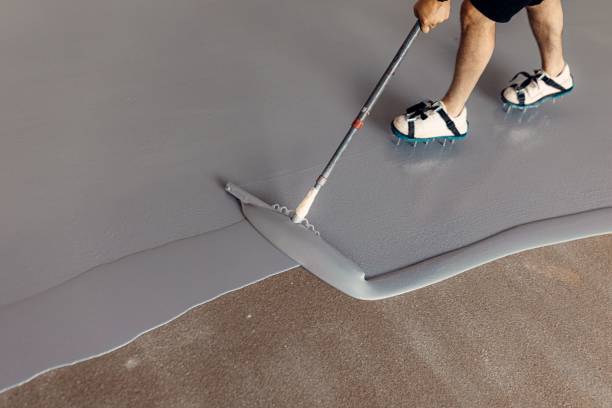
Metallic epoxy flooring has gained immense popularity in both residential and commercial spaces due to its distinctive visual appeal and exceptional durability. This unique type of epoxy coating creates a striking, three-dimensional look that mimics the appearance of molten metal, marble, or other natural stone finishes. Beyond its stunning aesthetics, metallic epoxy offers numerous benefits that make it a preferred choice for spaces looking to combine beauty with functionality.
What is Metallic Epoxy Flooring?
Metallic epoxy is a specialized variation of standard epoxy coatings. It involves the addition of metallic pigments to a two-part epoxy system. These pigments are suspended within the mixture and create patterns and textures as they flow during application. The result is a highly reflective, multi-dimensional surface that shifts in appearance depending on lighting and viewing angle.
Key Features of Metallic Epoxy
- Customizable Designs: Each metallic epoxy floor is unique. Variations in pigment types, colors, and application techniques allow for completely customized finishes.
- Durable Surface: Metallic epoxy retains the toughness of traditional epoxy coatings, making it resistant to scratches, stains, chemicals, and abrasions.
- High Reflectivity: The glossy surface enhances lighting by reflecting light across the room.
- Seamless Finish: The absence of grout lines or seams creates a smooth, continuous surface that is both attractive and easy to clean.
When Should You Choose Metallic Epoxy?
- Living rooms
- Basements
- Kitchens
- Garages
- Showrooms
- Retail stores
- Restaurants
- Offices
- Art galleries
- Salons or spas
- Nightclubs or lounges
Pros and Cons Overview
| Pros | Cons |
| Unique design possibilities | Requires skilled installation |
| Extremely durable | Higher upfront cost |
| Easy to maintain | Can be slippery when wet |
| Chemical-resistant | Longer curing time |
Installation Process for Metallic Epoxy
- Surface Preparation: The substrate must be clean, smooth, and free from imperfections.
- Primer Coat Application: A primer ensures strong adhesion between the substrate and coating.
- Base Coat Application: A base layer (often black or white) sets the foundation for the metallic pigments.
- Pigment Layer Addition: Metallic pigments are blended into the clear coat and applied using specific techniques like troweling or swirling.
- Topcoat Application: A protective topcoat adds gloss while sealing the surface against damage.
Maintenance Tips for Longevity
- Sweep regularly with a soft-bristle broom to remove dirt particles.
- Use a damp mop with mild detergent for deeper cleaning as needed.
- Place protective pads under heavy furniture or equipment to prevent scratches.
- Avoid dragging sharp objects directly across the floor.
By following these guidelines, metallic epoxy floors can maintain their luxurious appearance while providing long-lasting performance.
Epoxy Flake Flooring: Benefits and Design Possibilities
Epoxy flake flooring is a versatile, durable, and visually appealing flooring option that has gained popularity across residential, commercial, and industrial spaces. This unique epoxy coating system integrates small flakes or chips into the surface layer to create a textured finish with various aesthetic and functional advantages. Below is a detailed overview of the benefits and design possibilities offered by epoxy flake flooring.
Key Benefits of Epoxy Flake Flooring
- Epoxy flake flooring provides exceptional resistance to wear and tear, making it suitable for high-traffic areas.
- The integration of flakes into the epoxy increases scratch resistance while minimizing visible signs of damage over time.
- It offers protection against chemical spills, moisture penetration, and impact forces.
- The textured surface created by the flakes improves traction, reducing slip hazards in both wet and dry conditions.
- This makes it an ideal choice for spaces like garages, locker rooms, commercial kitchens, and warehouses.
- Available in a wide range of colors, patterns, and finishes to match any design preference.
- The flakes can mimic natural materials such as granite or terrazzo at a fraction of the cost.
- Both high-gloss and matte finishes are available to further customize the look.
- Its seamless surface prevents dirt or debris from accumulating in cracks or crevices.
- Cleaning typically requires minimal effort with basic sweeping or mopping.
- Compared to traditional flooring materials like stone or tile, epoxy flake systems are relatively affordable while offering similar aesthetic appeal.
- Extended lifespan reduces the need for frequent repairs or replacements.
Design Possibilities with Epoxy Flake Flooring
| Feature | Options Available |
| Flake Sizes | Micro (1/32″), Small (1/16″), Medium (1/4″), Large (5/8″) |
| Flake Colors | Solid colors or multi-colored blends |
| Pattern Customization | Random dispersal for natural looks or dense application for uniformity |
| Finish Options | High-gloss reflective coatings or matte textures |
- Residential: Add vibrant color blends for playrooms or subtle neutral tones for basements.
- Commercial: Match brand colors in retail stores or create durable decorative finishes in office lobbies.
- Industrial: Choose highly visible safety-colored flakes for manufacturing plants or warehouses.
Applications of Epoxy Flake Flooring
- Residential garages
- Auto showrooms
- Hospitals
- Educational institutions
- Recreational facilities
- Restaurants
By combining durability with endless customization options, epoxy flake flooring remains an excellent choice for anyone seeking a reliable yet aesthetically pleasing surface solution tailored to their environment’s specific needs.
Benefits of Hiring an Epoxy Flooring Company Clearwater FL for Durable Two-Part Coatings
Two-part epoxy floor coatings with 100% solids are among the most durable and efficient options available in the market for both residential and commercial settings. Their popularity stems from their superior strength, resistance to wear, and long-lasting performance. Let’s delve deeper into what makes this type of epoxy coating stand out.
What Does “100% Solids” Mean?
- Higher Durability: Unlike solvent-based or water-based epoxies, every component of a 100% solids formula contributes to the final cured product. This ensures a thicker and tougher coating.
- No Shrinkage: Since there is no evaporation during curing, the applied thickness remains consistent after drying.
- Eco-Friendly: Without volatile organic compounds (VOCs), 100% solids epoxy is safer for indoor environments and complies with green building standards.
Advantages of Two-Part Epoxy Floor Coatings
- Resistant to high-impact forces, abrasions, and chemical spills.
- Ideal for areas exposed to heavy foot traffic or vehicle loads.
- Creates a seamless bond with concrete substrates.
- Prevents peeling or flaking over time when properly installed.
- Works well in industrial facilities, warehouses, garages, basements, and even hospitals requiring hygienic surfaces.
- Can integrate decorative elements like metallic pigments or colored flakes for an added visual appeal.
- Available in gloss or matte finishes depending on aesthetic preferences.
Typical Applications
| Application Area | Reason for Use |
| Industrial Facilities | Withstands forklifts, heavy machinery movement |
| Garages | Resists oil stains and tire marks |
| Commercial Kitchens | Protects against grease and food spills |
| Warehouses | Durable under constant equipment operation |
Application Process Overview
- Clean thoroughly to remove dust, oil stains, or debris.
- Grind or etch the surface to ensure better adhesion.
- Combine resin and hardener as per manufacturer instructions.
- Mix evenly to avoid curing inconsistencies.
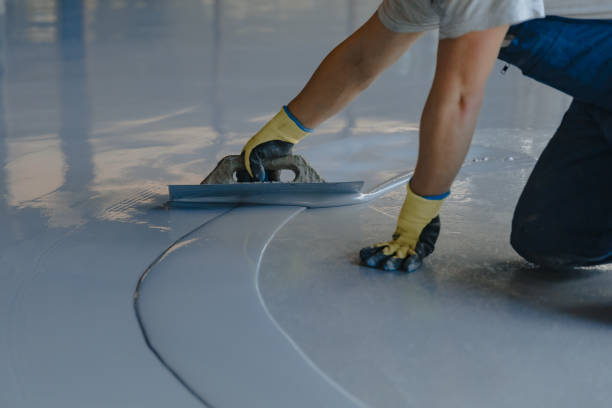
- Use rollers or squeegees for even distribution.
- Apply in sections to ensure uniform thickness before it begins curing.
- Allow sufficient time (typically 24-72 hours) for complete curing before subjecting the floor to use.
Potential Considerations
- Skill Required: Proper mixing ratios are critical; improper preparation can lead to weak spots or uneven surfaces.
- Limited Working Time: Once mixed, there is a small window before the mixture begins curing.
- Cost: The initial investment may be higher compared to simpler alternatives like water-based epoxies; however, its longevity justifies the expense over time.
Two-part epoxy floor coatings with 100% solids represent a reliable flooring solution combining strength with aesthetics. Whether you’re managing an industrial workspace or enhancing your residential garage floor’s durability and appearance, this option offers value through its exceptional performance characteristics when applied correctly.
Finding the Right Epoxy Garage Flooring Contractor Clearwater FL for Your Project
Choosing the appropriate thickness for your epoxy flooring is a critical decision that directly impacts its durability, functionality, and overall performance. The ideal thickness depends on the specific application, the amount of traffic or usage the floor will endure, and the type of epoxy being applied. Below is a guide to help you determine the correct thickness based on various considerations.
Factors to Consider When Choosing Epoxy Floor Thickness
- Type of Space
Consider what type of environment the epoxy will be installed in: - Residential Settings: In areas like garages or basements where foot traffic and light vehicle use are common, thinner coatings around 2-3 millimeters are generally sufficient.
- Commercial Spaces: For spaces such as retail stores or offices with moderate foot traffic, a medium thickness (3-5 millimeters) may be more appropriate.
- Industrial Environments: Heavily trafficked environments like warehouses or manufacturing facilities require thicker applications of 5-10 millimeters to handle heavy machinery and constant wear.
- Level of Traffic
The volume and type of traffic should align with your chosen coating thickness: - Light foot traffic: 1-2 millimeters.
- Moderate foot or vehicle traffic: 3-5 millimeters.
- Heavy industrial equipment or high-impact usage: 6+ millimeters.
- Surface Condition
If your floor has imperfections such as cracks, uneven areas, or previous damage, a thicker epoxy coating may be necessary to properly level and reinforce the surface. - Decorative purposes (e.g., metallic finishes): Typically require thinner layers since aesthetics take precedence over durability.
- Functional uses (e.g., chemical resistance in laboratories): Thicker coatings provide better protection against spills and abrasions.
Thickness Guidelines Based on Common Applications
| Application Type | Recommended Thickness | Notes |
| Residential Garages | 2–3 mm | Sufficient for cars and light tools |
| Retail or Commercial Floors | 3–5 mm | Handles moderate foot traffic |
| Industrial Warehouses | 5–10 mm | Suitable for forklifts/heavy loads |
| Decorative Metallic Floors | <2 mm | Primarily aesthetic |
| Laboratories/Chemical Areas | >4 mm | Resistant to chemicals/spills |
Types of Epoxy Coatings Based on Thickness
- Thin Film Systems: These are typically less than 1 millimeter thick. They are used mainly for decorative purposes but offer limited durability under heavy use.
- Self-Leveling Epoxy: Ranges from 2 to 4 millimeters in thickness, making it ideal for spaces requiring smooth, even surfaces without significant structural demands.
- High-Build Epoxy Systems: These systems can range from 4 up to 10+ millimeters in thickness and are designed for maximum strength in industrial environments.
Tips for Making the Right Decision
When deciding on an epoxy floor’s thickness: – Perform a thorough assessment of your space’s requirements. – Consult with professionals if you’re unsure about load-bearing capacity or durability needs. – Remember that higher thickness levels generally increase longevity but may also raise material costs.
By carefully evaluating these aspects, you can select an epoxy flooring solution tailored to your specific needs while maximizing both functionality and cost-efficiency.
- Epoxy Flooring Installers Clearwater FL: The Best Solution for Hot Weather Conditions
- Discover How Epoxy Flooring Installers Clearwater FL Can Transform Your Garage
- How to Choose the Right Epoxy Flooring Installers Clearwater FL for Your Needs
- How To Choose The Right Clearwater Epoxy Garage Flooring For Your Space
- Clearwater Epoxy Garage Flooring: Durable and Attractive Solutions for Your Garage
- Expert Epoxy Flooring Installers Clearwater FL: Durable and Attractive Floor Coatings
- Top Benefits of Clearwater Epoxy Garage Flooring