
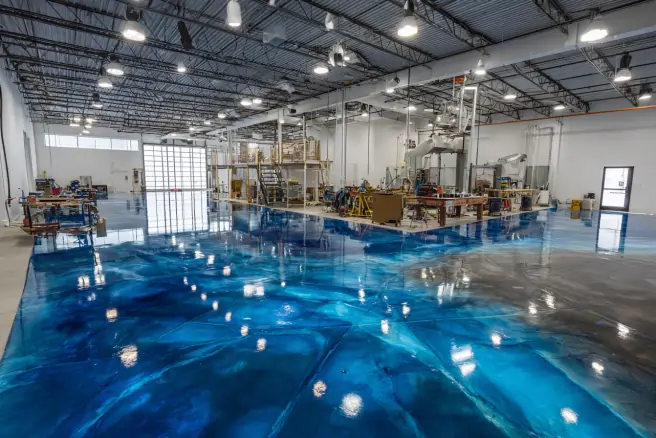
Its unique properties make it an excellent choice for both residential and commercial spaces in regions where high temperatures are the norm. Below, we explore why epoxy flooring excels in hot weather conditions.
Heat Resistance
One of the primary reasons epoxy flooring performs exceptionally well in hot climates is its ability to withstand high temperatures without degrading. The material is engineered to endure prolonged exposure to heat, making it less likely to warp, crack, or peel compared to traditional flooring options such as wood or tile.
Key benefits of epoxy’s heat resistance include: – Thermal stability: Maintains structural integrity even under extreme heat.Resistance to expansion and contraction: Prevents cracking caused by temperature fluctuations.Reduced maintenance needs: Withstands wear and tear from intense sunlight and heat over time.
UV Protection
Epoxy coatings can be formulated with UV-resistant additives that protect the floor from sun damage. This feature prevents discoloration, fading, and surface degradation when exposed to direct sunlight—a crucial advantage for outdoor patios, garages, or spaces with large windows letting in abundant natural light.
Chemical Resistance in Hot Environments
In addition to handling high temperatures, epoxy flooring exhibits remarkable resistance to chemicals—even when exposed to elevated heat levels. This makes it an ideal choice for industrial applications or areas like kitchens and workshops where spills are common.
This durability ensures long-lasting performance even in demanding environments.
Seamless Installation Reduces Heat Absorption
Epoxy floors are installed as a seamless coating over concrete surfaces, eliminating cracks or crevices where dirt or moisture can accumulate. The smooth surface also reflects some heat rather than absorbing it entirely as porous materials like concrete might do. For optimal results in hot climates: – Opt for light-colored epoxy coatings that reflect more sunlight. – Consider adding reflective flakes or patterns for increased thermal efficiency.
Cost Efficiency Compared to Alternatives
Epoxy flooring offers a cost-effective solution for hot-weather regions compared to other materials like tile or natural stone. While tiles may crack due to thermal expansion, and hardwood can warp under fluctuating humidity levels tied to heat exposure, epoxy maintains its performance without the need for constant repairs.
| Flooring Type | Heat Resistance | Maintenance Needs | Cost Efficiency |
| Epoxy Flooring | High | Low | High |
| Ceramic Tiles | Moderate | Moderate | Medium |
| Hardwood Flooring | Low | High | Low |
Epoxy flooring’s unparalleled combination of durability, UV protection, chemical resistance, and seamless installation makes it a reliable choice for hot weather conditions. Its ability to combat the challenges presented by extreme temperatures ensures a long-lasting investment whether you’re outfitting your home’s garage or upgrading an industrial workspace.
Top Benefits of Clearwater Epoxy Garage Flooring: Durability, Chemical Resistance, and Heat Tolerance
Epoxy flooring has emerged as a versatile and reliable flooring solution, particularly for areas that demand durability and resistance to challenging environmental conditions. Its unique properties make it ideal for residential, commercial, and industrial applications.
Freedom Epoxy
7003 114th Ave Suite D, Largo, FL 33773
866 805 5734
freedomepoxy.com
Durability: A Long-Lasting Flooring Solution
- Warehouses
- Garages
- Industrial facilities
- Retail spaces
- Exceptional Surface Strength: Epoxy forms a hard surface that resists scratches, impact damage, and abrasion far better than traditional flooring materials like concrete or tiles.
- Longevity: When properly installed and maintained, epoxy floors can last 10–20 years or more depending on the environment.
- Moisture Resistance: The non-porous nature of epoxy prevents water from seeping in, reducing risks of cracks caused by freeze-thaw cycles.
Chemical Resistance for Harsh Environments
This makes it an excellent option for environments where exposure to spills or corrosive materials is common.
Applications That Benefit from Chemical Resistance:
| Environment | Examples of Chemicals Resisted |
| Industrial settings | Solvents, oils, acids |
| Laboratories | Cleaning agents, reactive compounds |
| Automotive garages | Fuel spills, brake fluids |
Epoxy coatings create a protective barrier that prevents these substances from penetrating the surface.
- Clean-up becomes easier.
- The underlying concrete remains protected from erosion or staining.
This feature not only saves on maintenance costs but also ensures safety in workplaces where chemical exposure is prevalent.
High Heat Tolerance: Ideal for Hot Weather Conditions
This feature makes it particularly suitable for regions with fluctuating or extreme temperatures.
Why High Heat Tolerance Matters:
- Thermal Stability: Epoxy can withstand temperatures up to 200°F (93°C) without deteriorating or losing its structural integrity.
- UV Stability with Additives: With UV-resistant topcoats added during installation, epoxy surfaces can resist fading or yellowing caused by prolonged sun exposure.
- Prevention of Expansion/Contraction Damage: Unlike some materials which warp under temperature changes, epoxy maintains its shape and adheres firmly to the substrate.
Common Uses in High Heat Scenarios:
- Outdoor patios exposed to direct sunlight
- Kitchens with high-temperature appliances
- Manufacturing plants producing significant amounts of heat
Final Thoughts on Key Benefits
Epoxy floors combine unmatched durability with superior chemical resistance and heat tolerance. These qualities make them an ideal investment for spaces demanding long-term performance in challenging conditions while minimizing maintenance requirements over time. As such, they remain one of the most practical solutions available today across diverse industries and climate zones worldwide.
How Epoxy Flooring Protects Against UV Damage and Excessive Heat
In regions with hot weather and high sun exposure, epoxy floors provide a practical solution for both residential and commercial spaces. This section explores how epoxy flooring combats UV damage and excessive heat, making it an ideal choice for such climates.
Resistance to UV Damage
Prolonged exposure to sunlight can cause other flooring materials, like wood or certain types of tiles, to fade, crack, or degrade over time. Epoxy coatings are specifically designed to resist these effects by incorporating UV stabilizers and protective additives.
- Non-Yellowing Formulas: Some types of epoxy include non-yellowing agents that prevent discoloration from prolonged exposure to sunlight.
- Enhanced Aesthetics: The protective properties allow the floor’s finish—whether glossy or matte—to remain intact without fading.
- Less Maintenance: Thanks to its UV resistance, epoxy flooring requires less upkeep compared to materials prone to sun damage.
Heat Tolerance
In hot climates, flooring materials are often subjected to extreme surface temperatures. Epoxy’s high heat tolerance ensures it remains structurally sound even in these conditions.
Features That Enhance Heat Resistance:
- Thermal Stability: Industrial-grade epoxy formulations can endure temperatures up to 200°F (93°C) without warping or softening.
- Insulating Properties: Epoxy helps reduce heat transfer from the floor into interiors, keeping indoor spaces cooler.
- Chemical Composition: The crosslinked polymer structure ensures long-term performance even with repeated exposure to heat.
| Material | Heat Resistance | Susceptibility to Thermal Expansion |
| Epoxy | Up to 200°F | Minimal |
| Vinyl | ~120°F | Moderate |
| Wood | <100°F | High |
Preventing Surface Cracking in Extreme Temperatures
Hot weather can lead some flooring materials to expand and contract excessively, leading to cracks or surface deformities. However, epoxy eliminates this risk due to its flexible yet sturdy nature.
- Seamless Application: Unlike tiles or wood planks that may shift under thermal stress, epoxy creates a continuous layer that withstands expansion without splitting.
- Moisture Barrier: Hot climates often bring humidity along with heat. Epoxy acts as an impervious barrier against moisture infiltration that could otherwise compromise the integrity of the floor.
Additional Protective Coatings for Hot Weather Applications
- Polyaspartic coatings for enhanced UV stability
- Aliphatic urethanes for additional chemical and heat resistance
- Reflective topcoats designed to reduce surface temperature absorption
These options further improve the lifespan and performance of your epoxy floors in challenging conditions.
By offering superior protection against UV rays and excessive heat, epoxy flooring proves itself not only as a durable material but also as an energy-efficient solution suitable for demanding climates. Its ability to maintain structural integrity while resisting environmental degradation makes it a standout choice for homeowners and business owners alike.
Exploring the Services of an Epoxy Flooring Company in Clearwater FL and Understanding Different Flooring Types
However, not all epoxy floors are built the same.
1.Self-Leveling Epoxy Flooring
Self-leveling epoxy is one of the most popular options due to its smooth, polished finish and ease of installation. It is designed to level itself out across uneven surfaces when poured, making it ideal for older or damaged concrete floors.
Features:
- Smooth, seamless surface
- Resistant to chemicals and abrasions
- Suitable for both residential and commercial applications
- Can be applied over old or cracked concrete
Common Applications:
- Warehouses
- Garages
- Kitchens
- Retail spaces
2.Epoxy Mortar Flooring
Epoxy mortar flooring is made by mixing epoxy resin with sand or quartz powder to create a highly durable and impact-resistant surface. This type is ideal for environments that experience heavy loads or high-impact activities.
Features:
- Extremely durable and strong
- High resistance to chemical spills
- Can repair cracks in existing concrete before application
- Non-slip options available
Common Applications:
- Manufacturing facilities
- Automotive centers
- Industrial kitchens
3.Quartz-Filled Epoxy Flooring
This type combines colored quartz granules with epoxy resin for an aesthetically pleasing yet durable finish. It offers excellent chemical resistance while adding texture for slip-resistance.
Features:
- Decorative appearance with customizable colors and patterns
- High slip-resistance due to textured surface
- Excellent durability in high traffic areas
Common Applications:
- Showrooms
- Locker rooms
- Hospitals
4.Anti-static Epoxy Flooring (ESD Epoxy)
Anti-static epoxy flooring prevents static electricity buildup, making it a critical choice in sensitive environments where even small static discharges can damage equipment or pose safety risks.
Features:
- Dissipates static electricity safely
- Protects sensitive electronic equipment
- Long-lasting performance
Common Applications:
- Laboratories
- Electronics manufacturing facilities
- Data centers
5.Metallic Epoxy Flooring
Metallic epoxy floors are a decorative option that combines durability with unique aesthetic appeal. By adding metallic pigments during application, this type creates stunning visual effects often resembling marble or liquid metal.
Features:
- Reflective, high-gloss finish
- Customizable color combinations
- Durable yet visually appealing
#### Common Applications: – High-end retail stores – Offices – Residential interiors
Comparing Epoxy Types at a Glance
| Type | Key Feature | Best For | Durability Level |
| Self-Leveling | Seamless finish | Uneven/damaged surfaces | High |
| Mortar Flooring | Extreme durability | Heavy-duty industrial use | Very High |
| Quartz-Filled | Decorative + slip-resistant | High traffic areas | High |
| Anti-static (ESD) | Prevents static buildup | Sensitive equipment environments | Medium |
| Metallic | Aesthetic appeal | Interior design | Medium |
Key Features to Look for in Hot Weather Epoxy Flooring Applications
When choosing epoxy flooring for hot weather conditions, it’s crucial to select materials and features that can withstand high temperatures while maintaining their durability and aesthetic appeal. Below, we explore the essential features to consider for epoxy flooring applications in hot climates.
Heat Resistance
One of the most important factors to evaluate is the epoxy’s ability to resist heat. High-quality epoxy flooring designed for hot climates often includes heat-resistant additives that prevent softening, warping, or discoloration due to prolonged exposure to elevated temperatures.
Key considerations: – Opt for epoxies with thermal resistance ranging from 150°F to 200°F, or higher if your space is exposed to extreme heat. – Look for products specifically formulated as “high-temperature epoxies.
UV Stability
In regions with intense sunlight, UV radiation can cause fading, yellowing, or cracking in some flooring materials.UV stabilizers or aliphatic topcoatsthat enhance their resistance against sunlight damage.
Features of UV-stable coatings: – Retains gloss and color over time. – Prevents surface degradation caused by constant sun exposure.
Moisture Tolerance
Hot climates often come with humidity fluctuations. Moisture can affect the curing process of standard epoxy. When selecting an epoxy system: – Choose one with moisture-tolerant formulations. – Consider vapor barriers or primers if the installation is being done on concrete slabs prone to sweating or moisture retention.
Chemical Resistance
In outdoor settings or industrial environments exposed to high temperatures, spills from chemicals such as oils, fuels, and cleaning agents can occur. A chemical-resistant epoxy ensures longevity under such circumstances while maintaining a professional appearance.
Examples of resistant chemicals include: | Substance | Resistance Level | |———————|——————| | Gasoline | High | | Motor Oils | High | | Cleaning Solvents | Moderate |
Thermal Expansion Properties
Epoxy used in hot weather applications should have excellent thermal expansion properties. This ensures that the coating can expand and contract without cracking as temperatures fluctuate throughout the day.
Consider these aspects: 1. Flexibility during temperature swings. 2. Compatibility with concrete substrates which may also undergo expansion.
Adhesion Strength
Hot weather can cause surfaces like concrete to expand and contract at different rates compared to the epoxy layer above them. Strong adhesion ensures that the flooring remains bonded even under these challenging conditions.
Adhesion tips: – Properly prepare surfaces (e. g. , acid etching or grinding) before applying the epoxy. – Use primers designed specifically for high-temperature applications.
By focusing on these features—heat resistance, UV stability, moisture tolerance, chemical resistance, thermal expansion properties, and strong adhesion—you can ensure your epoxy floor will perform optimally under hot weather conditions while providing exceptional durability and aesthetics throughout its lifespan.
Decorative Options for Customizing Your Epoxy Floor: Flakes, Patterns, and Colors
Whether you’re looking to enhance a residential space or design a professional, polished look for your business, epoxy flooring offers numerous decorative options that can cater to any aesthetic. Below are some key customization features that make epoxy flooring a preferred choice for creative applications.
Flakes: Adding Texture and Dimension
Epoxy flakes, also known as color chips or vinyl chips, are small pieces of material scattered across the epoxy surface while it’s still wet. Once sealed in place, these flakes offer both functional and aesthetic benefits.
- Visual Appeal: Flakes create a speckled texture that enhances the floor’s appearance and hides imperfections such as scratches or stains over time.
- Slip Resistance: By introducing a textured surface, flakes improve traction, making epoxy floors safer in environments prone to spills or moisture.
- Customizable Colors: Flakes come in various colors that can match your branding or interior design theme.
| Flake Size | Effect |
| Large (1 inch) | Bold patterns with noticeable texture |
| Medium (1/4 inch) | Balanced appearance; suitable for most settings |
| Small (1/16 inch) | Subtle texture ideal for minimalist designs |
Patterns: Creating Unique Designs
Epoxy flooring allows you to incorporate patterns into the floor’s surface to reflect personal style or brand identity.
– Geometric Shapes: Think hexagons, interlocking triangles, or abstract forms for modern spaces.Marbleized Effects: By swirling pigments into the epoxy mix during application, you can mimic the luxurious look of marble at a fraction of the cost.Logos and Branding: Custom stenciling allows businesses to showcase logos or slogans directly on their floors.
These patterned options offer endless possibilities tailored specifically toward homes, offices, automotive showrooms, and more.
Colors: Endless Customization Choices
With epoxy flooring, color options are virtually limitless due to tintable resins and pigment additives used during installation. Whether you’re going for bold statements or subtle elegance, color plays an essential role in achieving your desired look.
Popular Color Options:
- Solid Colors: Sleek monochromatic tones like gray or black offer a clean-cut appearance perfect for modern environments.
- Metallic Finishes: Metallic pigments create an iridescent sheen that reflects light beautifully across large spaces.
- Blended Hues: Combine complementary colors within the same floor area to establish contrast while maintaining harmony.
Choosing Colors Based on Application:
| Environment Type | Recommended Shades |
| Residential Spaces | Neutral tones like beige & soft gray |
| Commercial Interiors | Vibrant colors such as blue & green |
| Industrial Settings | Safety-focused options like yellow lines |
Combining Decorative Elements
You can combine decorative features such as adding metallic finishes over flaked surfaces or integrating geometric patterns with blended hues. Doing so enhances both functionality and aesthetic value while creating a unique result tailored specifically to your needs.
The Average Lifespan of Epoxy Flooring
On average, professionally installed epoxy flooring can last anywhere from 10 to 20 yearsin residential applications.5 to 10 years.
Factors That Influence Epoxy Flooring Longevity
- Traffic Levels:
High foot traffic or frequent vehicle movement can wear down the surface faster. Industrial floors exposed to forklifts and other heavy machinery may require more frequent maintenance or recoating. - Quality of Installation:
A properly prepared substrate and professional application ensure optimal adhesion and durability. Poor installation practices can lead to peeling or cracking. - Environmental Conditions:
Exposure to extreme temperatures, moisture, or UV rays may reduce longevity if the wrong type of epoxy is used.
Residential spaces often see lower wear-and-tear compared to commercial or industrial environments. For example, garage floors in homes tend to last longer with lighter use unless exposed to heavy vehicles consistently.
Tips for Extending Epoxy Flooring Lifespan
- Ensure Proper Preparation Before Installation:
The concrete surface must be clean, dry, and free from cracks before applying epoxy. - Opt for a High-Quality Epoxy Coating:
Specialized formulations designed for high-traffic or specific environmental conditions usually have better durability. - Use mild cleaners recommended by manufacturers instead of harsh chemicals.
- Reapply Protective Coatings When Necessary:
Over time, adding a clear topcoat can restore luster and reinforce protection against wear. - Prevent Damage From Heavy Loads or Impacts:
Place protective pads under heavy furniture or machinery if possible.
Signs Your Epoxy Floor Needs Replacement
While durable, epoxy floors do not last forever.
- Visible cracks or peeling
- Persistent discoloration despite cleaning
- Uneven texture indicating structural degradation
- Loss of shine even after refinishing efforts
By addressing these issues promptly with professional repairs or reapplication services when needed, property owners can ensure their flooring remains functional and aesthetically appealing over time.
Epoxy flooring provides outstanding value due to its durability and resilience under various conditions when properly cared for.
When it comes to flooring options, epoxy flooring stands out for its exceptional durability and longevity.
Average Lifespan of Epoxy Flooring
On average, professionally installed epoxy floors can last anywhere from 10 to 20 years in residential settings.5 to 10 years. With proper care and maintenance, certain high-grade epoxy systems can exceed these estimates.
| Application | Average Lifespan |
| Residential (e.g., garages) | 10–20 years |
| Commercial spaces (e.g., retail stores) | 8–15 years |
| Industrial facilities (e.g., factories) | 5–10 years |
Factors That Impact Epoxy Flooring Durability
- Surface Preparation
Proper surface preparation is critical for ensuring adhesion between the concrete substrate and the epoxy coating. Poorly prepared surfaces can lead to issues like peeling or cracking over time. - 100% Solid Epoxy: Offers maximum durability but requires professional installation due to its complex application process.
- Water-Based Epoxy: Easier to apply but less durable than solid variants.
- Solvent-Based Epoxy: Provides better resistance than water-based options but may emit toxic fumes during application.
- Environmental Conditions
High levels of heat or humidity can impact how well the epoxy cures during installation, potentially reducing its longevity if not addressed properly. - Traffic Levels
Heavy machinery or frequent vehicle traffic in industrial settings accelerates wear compared to light residential use. - Maintenance Practices
Tips for Extending the Lifespan of Epoxy Floors
- Clean Spills Promptly:Chemical spills should be cleaned immediately to avoid degrading the surface.
- Use Protective Pads:Place protective pads under heavy equipment or furniture to prevent scratches.
- Sweep Regularly:Remove dust and debris with sweeping or vacuuming to avoid surface abrasion.
- Recoat When Necessary:Applying a fresh topcoat every few years helps restore gloss and protect against damage.
- Address Repairs Quickly:Cracks or chips should be repaired promptly before they worsen.
Why Choose Epoxy Flooring for Long-Term Durability?
- Resistance against chemicals, oils, and stains
- High tolerance for heavy loads without cracking
- Durable finish that withstands abrasions
- UV-resistant topcoats for outdoor applications
By investing in high-quality materials and professional installation, you can maximize your epoxy floor’s potential lifespan while maintaining its stunning appearance over time.
- Epoxy Flooring Installers Clearwater FL: The Best Solution for Hot Weather Conditions
- Discover How Epoxy Flooring Installers Clearwater FL Can Transform Your Garage
- How to Choose the Right Epoxy Flooring Installers Clearwater FL for Your Needs
- How To Choose The Right Clearwater Epoxy Garage Flooring For Your Space
- Clearwater Epoxy Garage Flooring: Durable and Attractive Solutions for Your Garage
- Expert Epoxy Flooring Installers Clearwater FL: Durable and Attractive Floor Coatings
- Top Benefits of Clearwater Epoxy Garage Flooring